Table of Contents
- What Does “Wheelchair Accessible” Really Mean?
- Accessible Entrances and Pathways
- Interior Layout and Maneuverability
- Restroom Accessibility Matters
- Parking and Exterior Access
- Signage and Visibility
- Seating and Gathering Areas
- Beyond Compliance: Designing With People in Mind
- Common Barriers Wheelchair Users Encounter
- Why Wheelchair Accessibility Benefits Everyone
- Accessibility Is an Ongoing Commitment
- An Inclusive Space Helps Everyone Feel Welcome
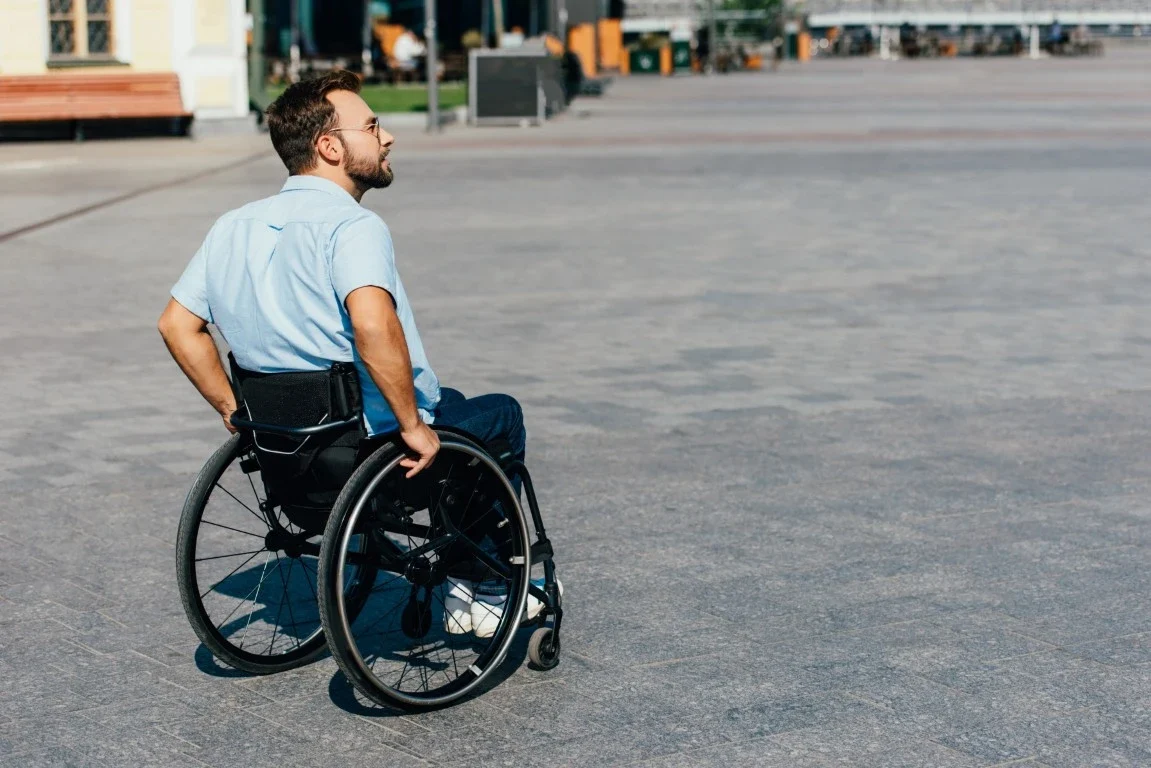
When considering accessibility, many people think about ramps and automatic doors. While those features are important, true wheelchair accessibility goes much deeper. A truly inclusive space should allow wheelchair users to move independently, safely, and comfortably, without having to ask for help or face unnecessary barriers.
Whether you’re a business owner, property manager, or homeowner, understanding the basics of wheelchair accessibility helps you create a space that welcomes everyone.
What Does “Wheelchair Accessible” Really Mean?
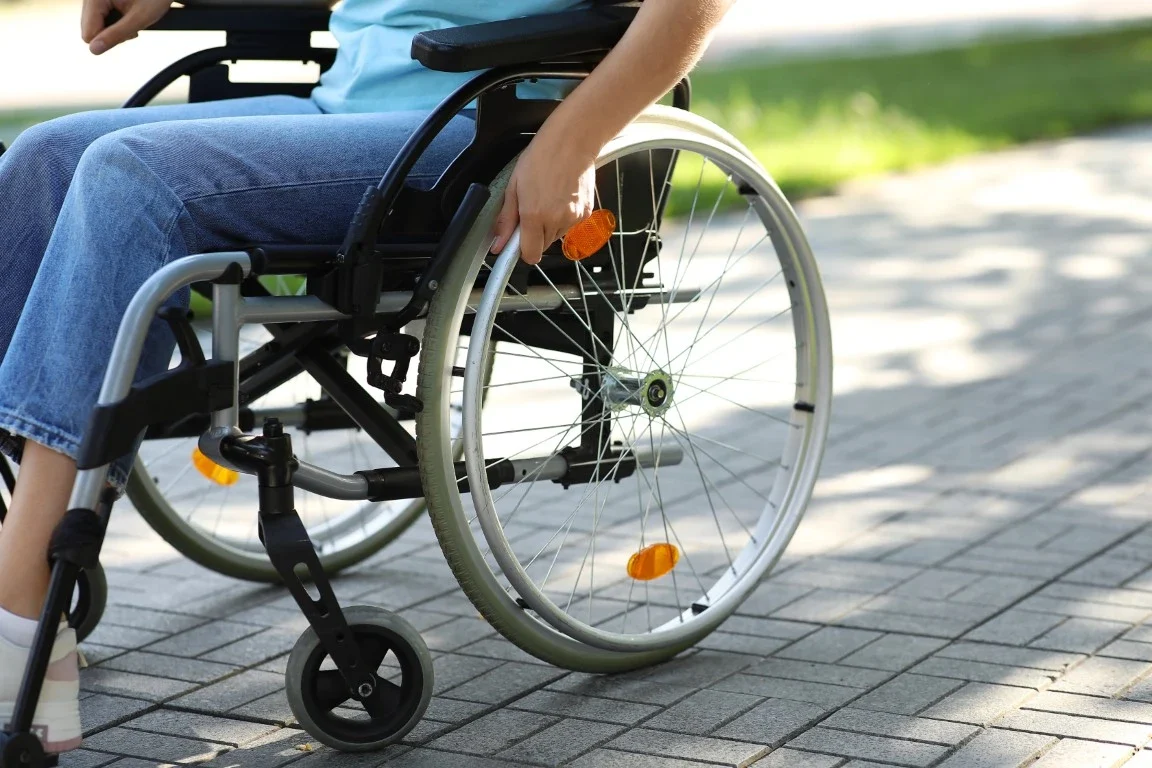
A wheelchair-accessible space allows individuals who use wheelchairs or other mobility devices to enter, navigate, and use the space easily and comfortably. This includes access to entrances, pathways, restrooms, seating areas, and service counters. Accessibility isn’t just about compliance but also about maintaining dignity, independence, and equal opportunity.
Accessible Entrances and Pathways
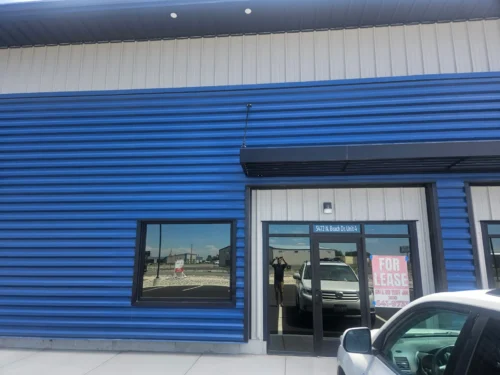
An inclusive space starts with an accessible entrance. At least one main doorway should be step-free and easy to locate. Ramps should have a gentle slope, a non-slip surface, and handrails when required. Doors should have at least a 32-inch minimum clear opening and open at 90 degrees. They should also be lever-operated or have U-shaped handles.
Inside, hallways and walkways should be wide enough for wheelchair users to pass and turn comfortably (at least 36 inches). Clutter, decorative furniture, and uneven flooring can quickly become obstacles.
Interior Layout and Maneuverability
Wheelchair users should be able to get through the door, as well as move freely once inside. They need enough space to turn around, which is typically a 60-inch turning radius. Furniture should be arranged to allow clear pathways, and frequently used areas like checkout counters, seating, and displays should be reachable without obstruction.
Counters and service desks include a lowered section (28 to 34 inches high) so wheelchair users can interact comfortably and independently.
Additionally, spaces should have smooth, firm, non-slip surfaces, so wheelchair users can move safely. Thick carpets and glossy tiles can increase tipping risks.
Restroom Accessibility Matters
Restrooms often present the most challenges for wheelchair users. An accessible restroom should include wide doorways, grab bars, adequate turning space, and sinks, mirrors, and hand dryers positioned at appropriate heights (no more than 34 inches).
An accessible restroom is essential for many people to fully participate in public life.
Parking and Exterior Access
Accessible parking spaces should be clearly marked and located close to entrances. They should have adequate width and access aisles, so wheelchair users can safely enter and leave their vehicles. Exterior paths from parking areas to entrances should be smooth, well-lit, and free of steps or steep slopes.
Signage and Visibility
Clear, easy-to-read signage helps everyone navigate a space, including wheelchair users. Accessible routes, entrances, and restrooms should be clearly marked. Signs should be placed at visible heights and use high-contrast text for readability.
Seating and Gathering Areas
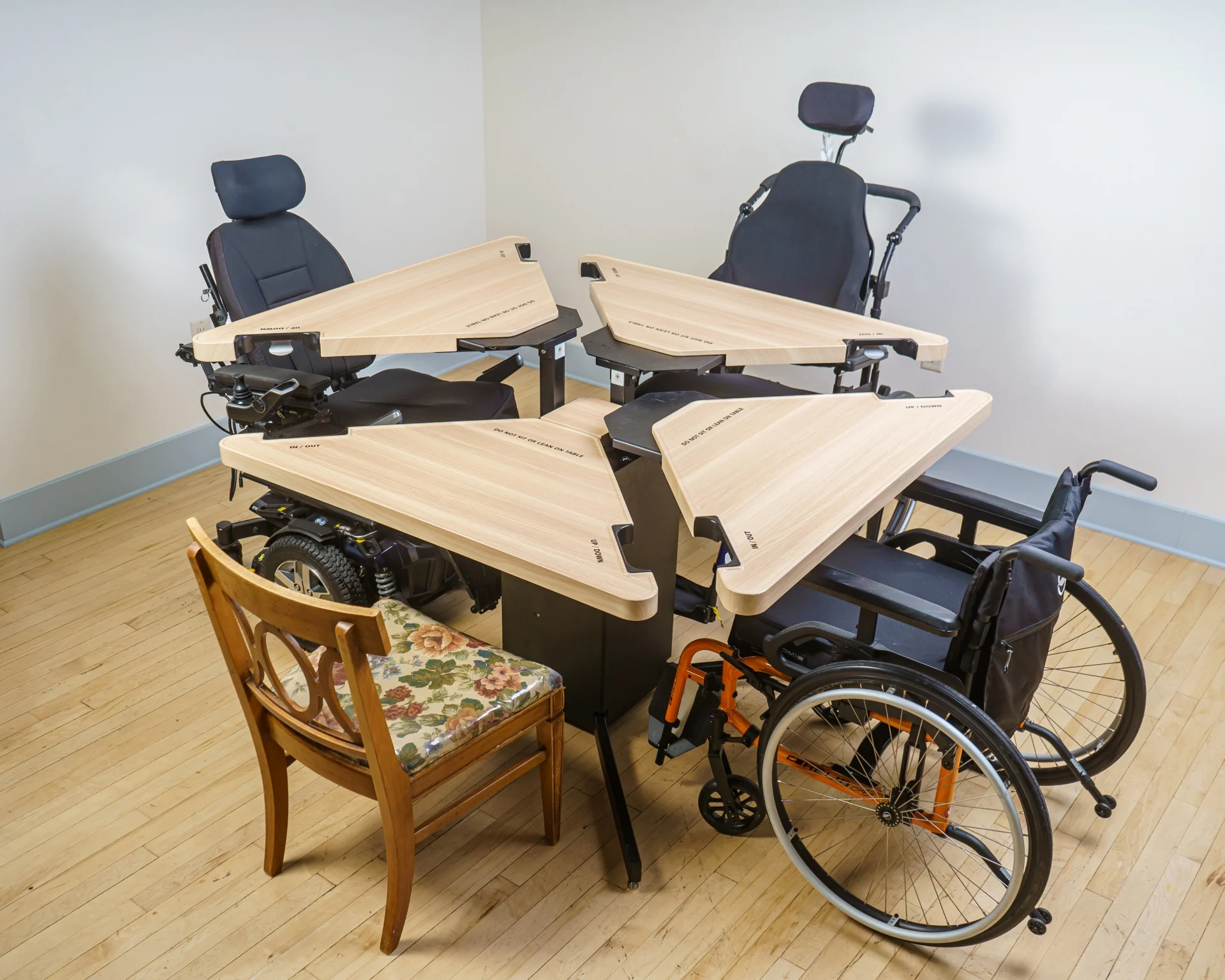
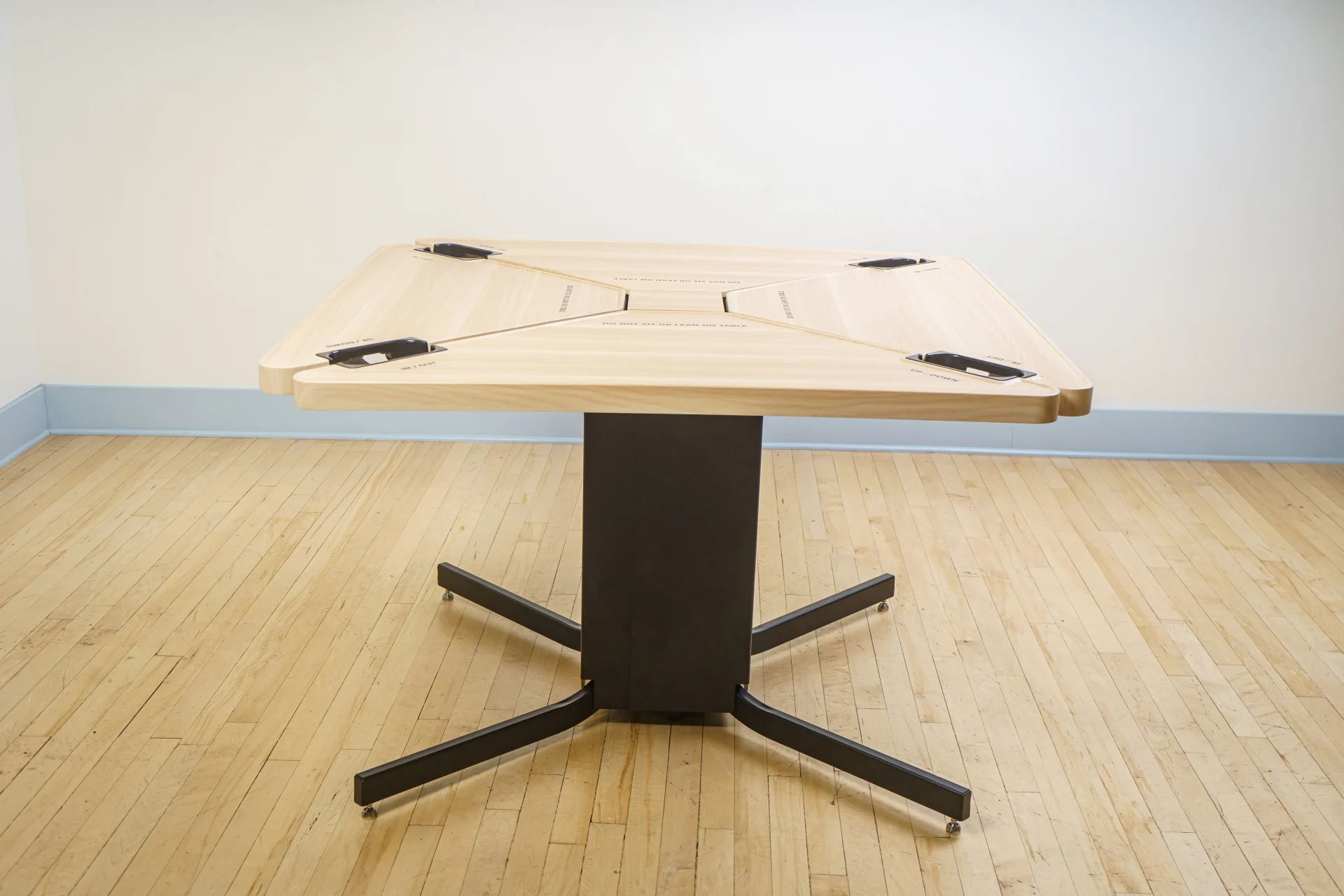
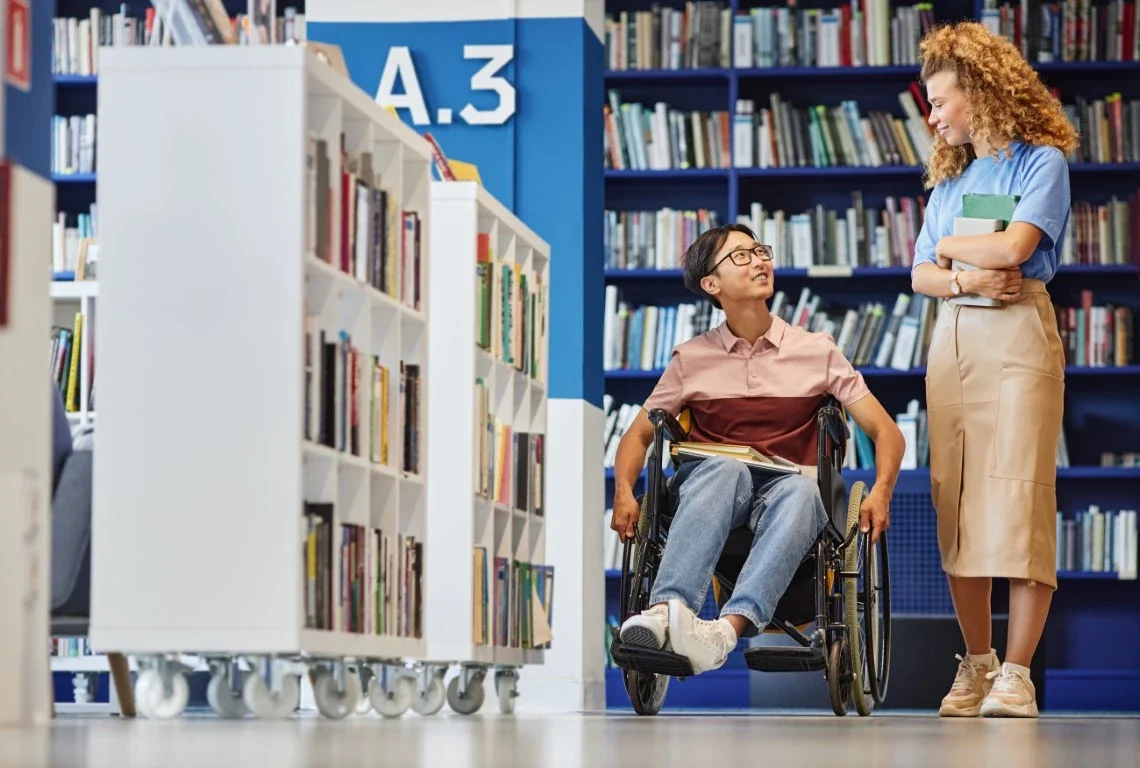
In waiting rooms, restaurants, and event spaces, wheelchair users should have space to sit alongside others, not be separated or placed in awkward locations. Tables should provide adequate knee clearance and allow wheelchair users to pull up comfortably.
Beyond Compliance: Designing With People in Mind
While meeting minimum accessibility requirements is important and legally required for businesses, true inclusivity goes beyond checking boxes. It considers real-world use and lived experiences. You should consider comfort, ease of movement, and whether someone using a wheelchair will enjoy the space in the same way as everyone else.
Common Barriers Wheelchair Users Encounter
Even intentionally-designed spaces can have hidden obstacles. Heavy manual doors, narrow aisles, thick rugs, uneven thresholds, and poorly placed trash cans can all make it hard for wheelchair users to navigate around. Temporary barriers like stacked boxes, signage stands, or seasonal decor often block accessible routes without anyone realizing it.
Why Wheelchair Accessibility Benefits Everyone
Accessible spaces don’t just serve wheelchair users. They benefit seniors, parents with strollers, people with temporary injuries, and anyone who appreciates ease of access. Creating accessible environments sends a clear message that everyone is accepted.
Accessibility Is an Ongoing Commitment
Buildings change, furniture gets rearranged, and wear and tear happen, making wheelchair accessibility an ongoing project. Regular accessibility checks help ensure that spaces remain usable over time and continue to meet the needs of wheelchair users.
An Inclusive Space Helps Everyone Feel Welcome
True wheelchair accessibility means doing more than meeting basic requirements. It’s about creating spaces where everyone can move freely, safely, and independently. When entrances are welcoming, pathways are clear, restrooms are usable, and layouts are thoughtfully designed, accessibility feels intentional rather than mandatory. A truly inclusive space ensures everyone feels genuinely welcome.