
Accessibility Checklists
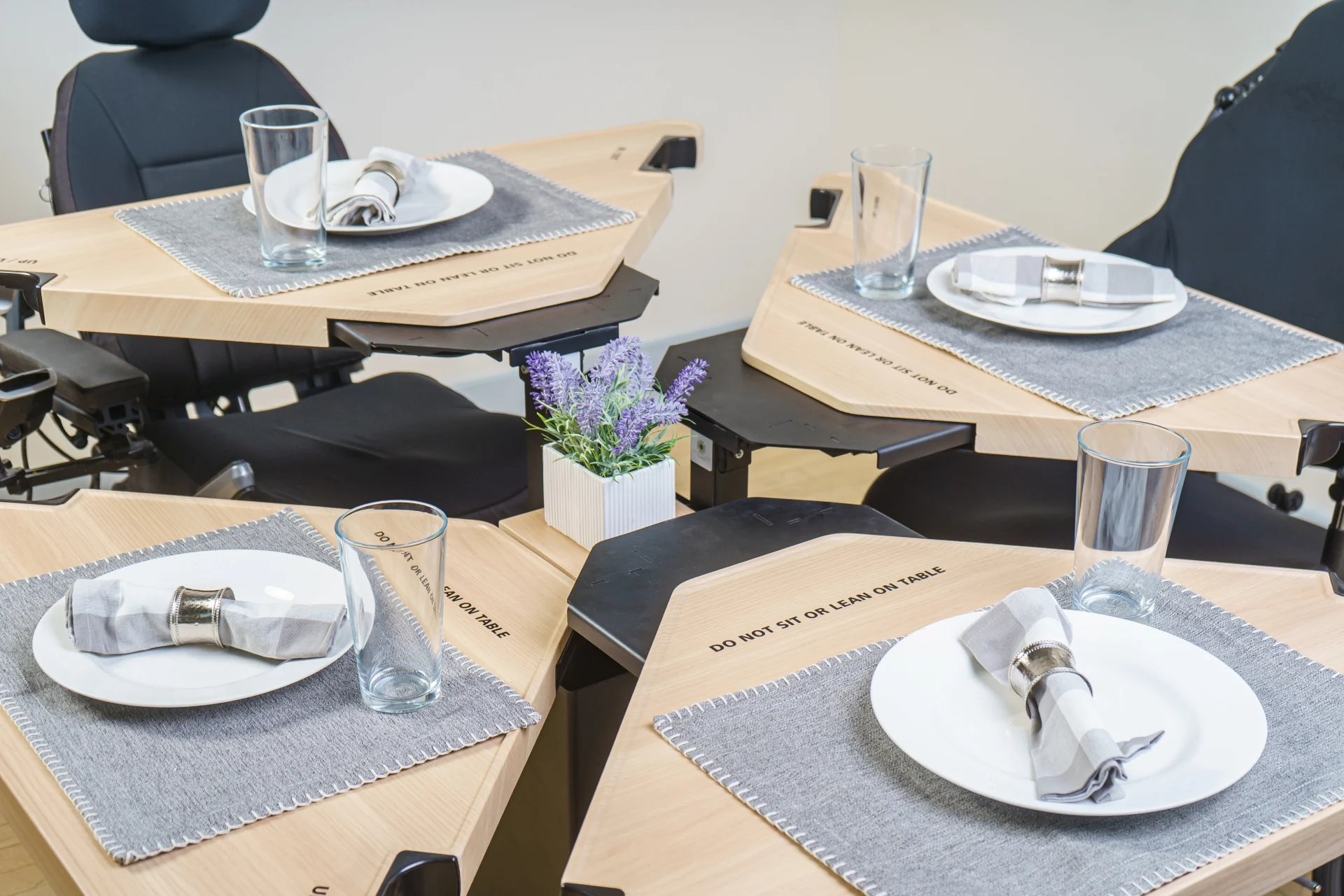
The Inclusion Table® is an easy-to-use adjustable
table, designed to be wheelchair friendly.
Designing More Accessible Spaces for Everyone
Creating spaces that are accessible to everyone is more important than ever. Whether you’re designing a restaurant, school, office, or public facility, ensuring accessibility allows all individuals, regardless of physical ability, to participate fully and comfortably. Accessibility goes beyond compliance; it’s about fostering inclusion, independence, and dignity for everyone.
Our comprehensive accessibility checklist provides clear, practical guidance for key areas, including entrances, pathways, tables, restrooms, technology, and communal spaces. It highlights essential considerations such as wheelchair-friendly clearances, adjustable tables, accessible signage, and assistive technologies.
By following these guidelines, you can create environments where everyone feels welcome and supported. In addition, incorporating inclusive furniture like The Inclusion Table® ensures that shared spaces, whether classrooms, cafeterias, conference rooms, or homes, allow for participation by all.
These checklists are designed to help you make thoughtful, actionable improvements that enhance accessibility and inclusion across your facility.
Restaurants
Entrance: Ensure all entrances are accessible. This includes ramps with a gentle slope, wide doorways to accommodate wheelchairs and mobility devices, and automatic or easy-to-open doors. Clear signage indicating accessible entrances is essential.
Dining Area & Tables: Maintain sufficient clearance between tables and aisles for wheelchair navigation. Tables should be at heights suitable for wheelchair users, with at least one adjustable table per dining area, such as The Inclusion Table®, to provide comfort and inclusivity for all patrons.
Restrooms: Restrooms must include grab bars near toilets, sinks mounted at accessible heights, and a sufficient turning radius for wheelchairs. Ensure doorways are wide and doors are easy to open. Consider motion-sensor faucets and automatic hand dryers for ease of use.
Menus: Offer menus in large-print format and ensure digital menus are compatible with screen readers. Consider braille menus where possible. Staff should be trained to assist with requests.
General: Keep pathways free of obstacles, provide adequate lighting, and clearly mark accessible seating and facilities. Regularly review and update accessibility features to meet current standards.
School & Educational Facilities
Classrooms: Ensure classrooms provide accessible desk and table options for students who use wheelchairs or mobility devices. Adjustable-height tables, including The Inclusion Table®, allow students to participate fully in lessons and activities. Incorporate clear pathways to enable easy movement throughout the room.
Cafeteria: Maintain tables with sufficient clearance for wheelchairs and adjustable heights to accommodate diverse student needs. Include at least one Inclusion Table or similar adjustable table per dining area to foster inclusive mealtimes and social interaction.
Libraries & Labs: Provide adjustable furniture and accessible workstations. Ensure resources such as books, computers, and lab equipment are within reach for all students. Include signage and labeling that support diverse learning needs.
Playgrounds & Commons Areas: Design outdoor and common areas with accessible routes, ramps, and surfaces suitable for mobility devices. Include inclusive play equipment where possible.
General: Keep hallways, entrances, and communal spaces free of obstacles. Provide visual and tactile signage, adequate lighting, and trained staff to support accessibility. Regularly review facilities to meet evolving accessibility standards and create inclusive group learning spaces with adjustable tables.
Offices & Workplaces
Entryways & Hallways: Ensure all entryways and hallways meet ADA-compliant widths for wheelchair and mobility device access. Doors should be easy to open, with automatic options where possible, and pathways kept free of obstacles.
Meeting Rooms: Provide tables that accommodate wheelchairs on all sides, allowing every participant to join comfortably. Include at least one Inclusion Table or other adjustable table in conference rooms to foster inclusivity and collaboration.
Break Rooms & Cafeterias: Ensure counters, sinks, and tables are accessible to all employees. Maintain sufficient clearance around seating areas for mobility devices and include adjustable-height tables where feasible.
Technology Accommodations: Equip workplaces with screen readers, voice-command software, and other assistive technologies to support employees with disabilities. Ensure all digital communications, presentations, and collaborative platforms are accessible.
General: Keep common areas, restrooms, and entrances accessible, with grab bars and appropriate turning radii where needed. Provide clear signage, proper lighting, and staff training to support accessibility. Regularly review facilities and policies to maintain an inclusive, welcoming work environment.
Have More Questions? Don’t Hesitate to Reach Out
While these lists are a great starting point, there are always unique needs and challenges based on your property. If you have any questions about whether The Inclusion Table® is the right fit for your space, don’t hesitate to reach out to our team today. We’re dedicated to helping you ensure your space is as accessible to everyone as possible.
We can help you determine where and how to incorporate The Inclusion Table® into your space to achieve your accessibility goals. Additionally, if you have any questions about cost, shipping, and more, we’re here to provide you with essential information. No matter what questions you have about The Inclusion Table®, trust that we’re here to support you.