Table of Contents
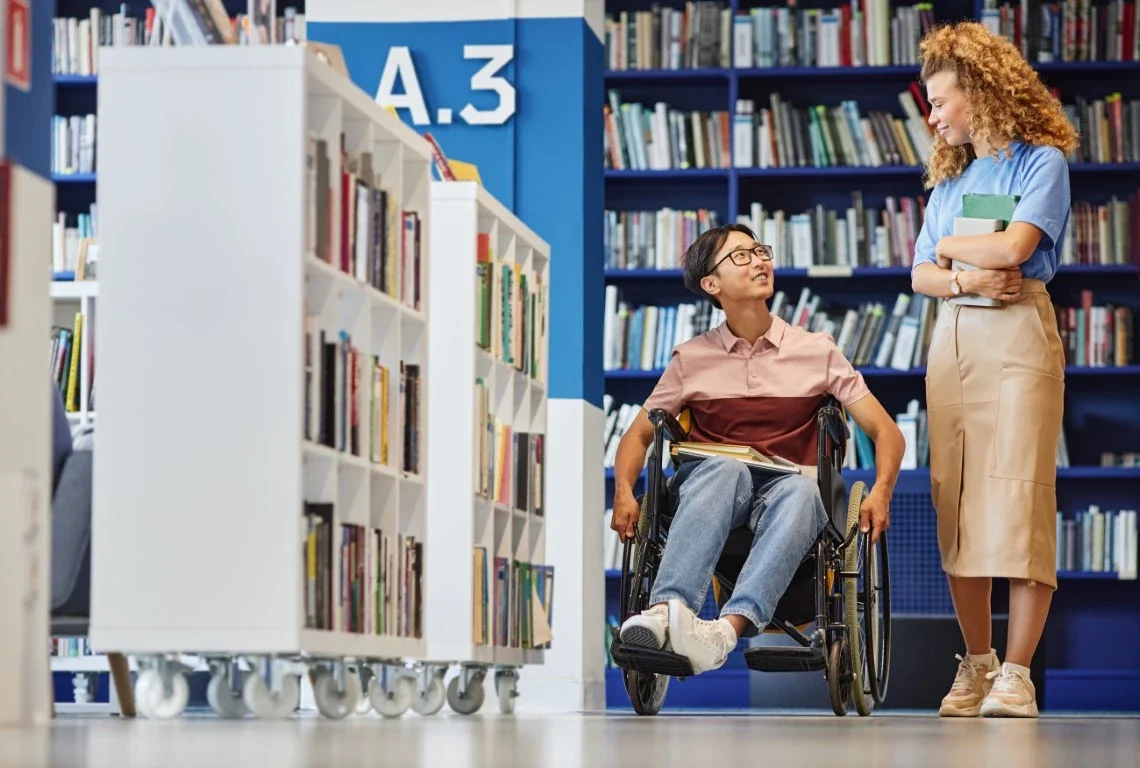
Creating a truly accessible school environment is a fundamental goal for any modern school, from K-12 to university level. Accessibility goes beyond compliance; it is about ensuring every student has an equal opportunity to thrive and engage fully in their education. For students with disabilities, removing physical and psychological barriers is essential for academic success.
By implementing thoughtful, universal designs, such as height-adjustable tables, schools can transform their learning spaces. This focus on inclusive design not only benefits students with specific needs but enhances the overall experience, turning your institution into a welcoming, high-functioning, and truly accessible school for all.
Why Accessibility Matters in Modern Schools
Whether you run an elementary, middle, high school, or college-level institution, creating a more accessible school is non-negotiable. Over 15% of students in the United States have a disability that impacts their educational experience. Every student deserves the right to an education, but without accessible features, this may not be possible.
When you create a more accessible space for students, they can engage more effectively, resulting in greater academic success. Accessible features in your school can also foster independence. Additionally, accessible materials and furniture empower students to participate and learn independently. This accessibility can help them develop their confidence.
Accessible designs and furniture don’t just benefit students with disabilities. They benefit every student. If you want to create a school that is welcoming to everyone, you should focus on investing in more advanced accessibility. This universal design enhances the learning environment for everyone, proving that accessibility is a foundational element of quality education.
The Benefits of Adjustable Tables for Students in Wheelchairs
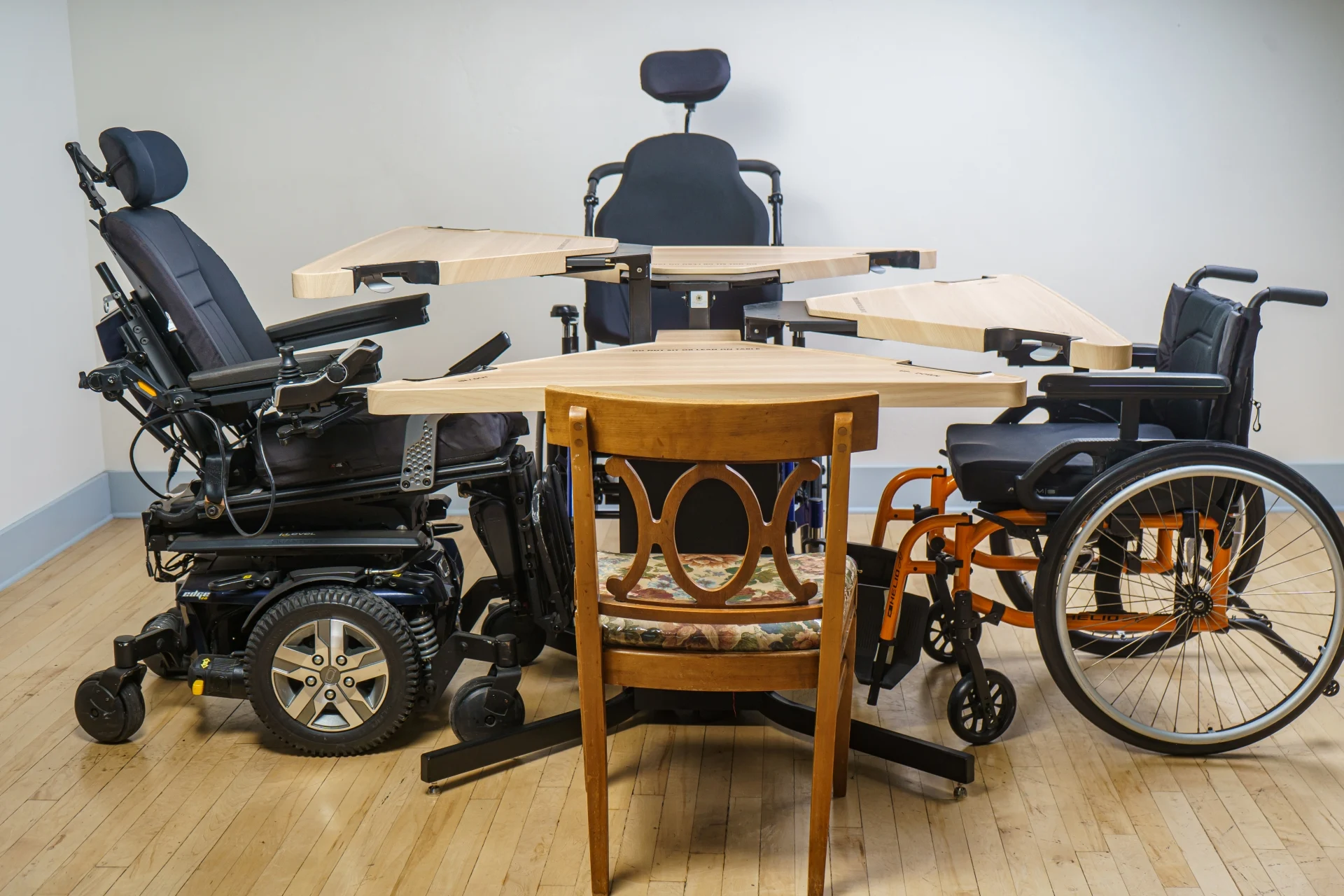
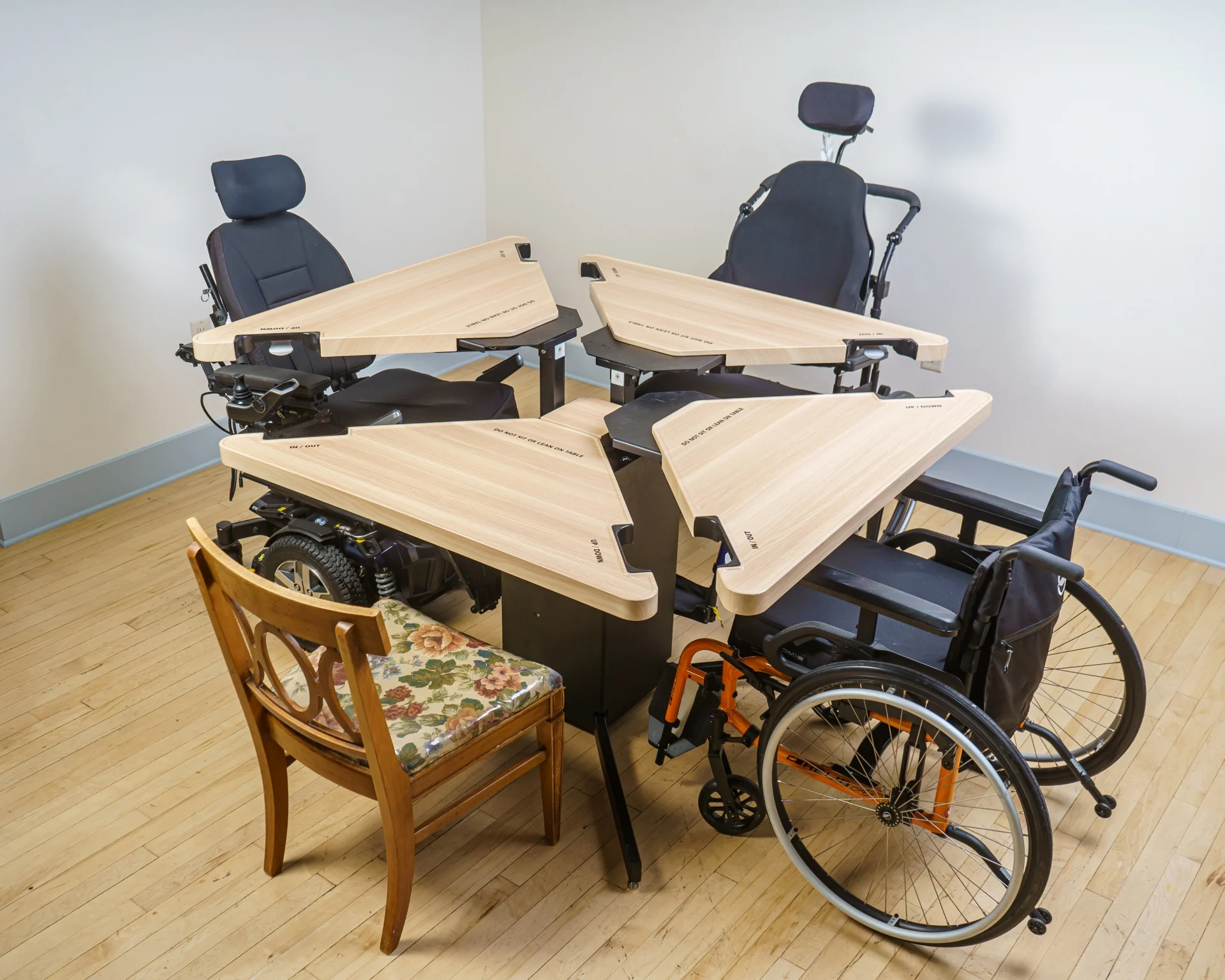
As you begin designing your accessible school, you want to ensure your space is accessible to everyone who comes through your door. That includes ensuring your classroom is accessible to students in wheelchairs. One of the best ways to create a more accessible environment for students in wheelchairs is by investing in adjustable tables.
There are many benefits to investing in adjustable tables for students in wheelchairs, including:
- Improved Posture and Comfort: Adjustable desks allow students to comfortably reach their entire desk without having to strain or hunch while sitting in their chair. These desks promote proper posture while sitting, helping your student avoid back, shoulder, and neck pain and more serious long-term injuries.
- Empowers Students: When you incorporate adjustable desks into your accessible school, you encourage them to take charge of their workspace. If they don’t need to ask for help performing everyday school tasks and can perform them independently, you aid in boosting their confidence and self-reliance.
- Fosters Focus: Discomfort while sitting at a desk all day can make it difficult for students to focus. By creating a more comfortable, accessible learning environment, you can help your students focus on the work in front of them, leading to lasting improvements in their day-to-day education and retention.
- Support Extracurriculars: Beyond standard in-class activities, having adjustable tables in your school can encourage engagement in extracurricular activities. Whether they feel more comfortable reading in the library or participating in drawing and painting courses, these tables can ensure their involvement without discomfort.
Creating an Accessible School: Practical Design Tips
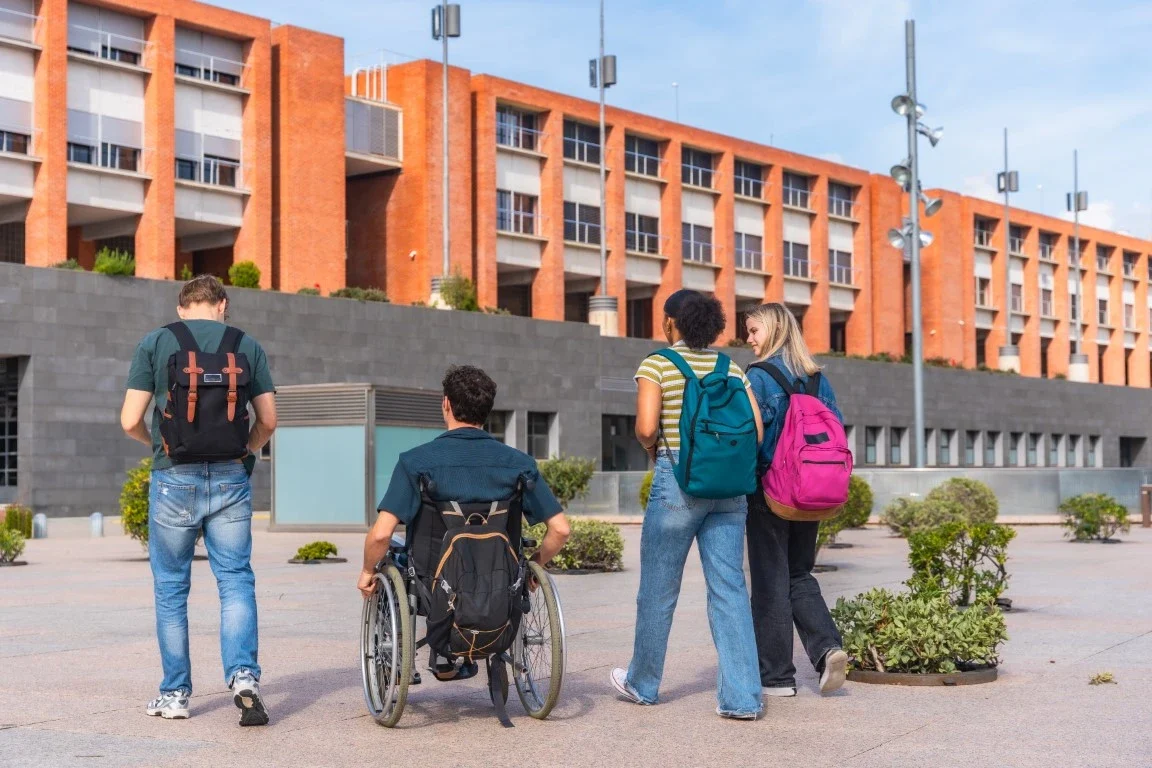
While adjustable tables are a great addition to help you create a more accessible school, this isn’t the only feature you should consider. If you want to ensure you’re creating the most accessible school for students experiencing a variety of physical and mental disabilities, consider incorporating the following into your space:
- Accessible Entrances, Exits & Pathways: If you’re building a new school, ensure your entrances and exits are accessible by installings, level pathways, and automatic doors. Additionally, pathways should be between 36 and 60 inches wide to accommodate a variety of mobility devices.
- Strategic Storage Solutions: Whether designing in-classroom storage solutions or installing lockers and shelving, ensure that your chosen storage solutions are accessible to everyone. This includes incorporating storage solutions that students and staff in wheelchairs can access independently.
- Assistive Technology: When creating educational materials, make sure that your content is compatible with assistive technologies, including screen readers, speech-to-text softwares, magnifiers, and captioning tools. Additionally, provide these tools to students to help encourage independence.
- Quiet Zones: As you begin designing your accessible school, consider creating dedicated quiet zones or calm down spaces. These small, dedicated spaces allow students a comfortable place to retreat when they are experiencing sensory overload or need a moment to self-regulate before returning to class.
- Color Contrast: To ensure your school is accessible to individuals with color blindness and other visual impairments, consider using high-contrast colors for walls, flooring transitions, and text on screens and boards.
How Accessibility Supports Learning and Engagement
True accessibility is not merely a checklist of compliant features; it is a catalyst for enhanced learning and deeper student engagement. When a school intentionally removes physical and informational barriers, it signals to every student that their presence and participation are valued. This feeling of belonging is foundational to engagement.
For students with disabilities, accessible furniture like adjustable tables, and accessible materials enabled by assistive technology, directly eliminate obstacles that prevent focus. Instead of expending energy managing discomfort or struggling to interact with non-compliant physical spaces, students can direct their time toward learning.
Furthermore, universal design principles benefit all learners by offering multiple means of interaction and representation, which is a core tenet of effective pedagogy. By ensuring all students can comfortably and independently navigate their learning environment, schools foster self-advocacy and confidence, creating a highly participatory and inclusive community.
Let Inclusion Table Help You Create a More Accessible School
If you want to ensure you’re creating an accessible school for every student and staff member, consider investing in adjustable tables from Inclusion Table. Available for bulk ordering and fit for a variety of wheelchair and mobility devices, our team is confident that our tables are the perfect addition to your school.
When you’re ready to order adjustable tables for your school, contact our team for support.