Table of Contents
The Americans with Disabilities Act (ADA) is a landmark civil rights law designed to ensure people with disabilities have the same rights and receive the same opportunities as everyone else. While many people have heard of the ADA, few understand what it actually is and how it affects everyday spaces like businesses, workplaces, and public areas.
This simple guide breaks down what the ADA is, who it protects, and why it matters.
What Does ADA Stand For?
ADA stands for the Americans with Disabilities Act. It was signed into law in 1990 by President George H. W. Bush and later expanded through amendments to strengthen protections.
The ADA prohibits discrimination against individuals with disabilities and requires accessibility in many areas of public life.
Who Is Protected Under the ADA?
The ADA protects people with physical, sensory, intellectual, and mental health disabilities. A disability is defined as a physical or mental impairment that substantially limits one or more major life activities. This includes:
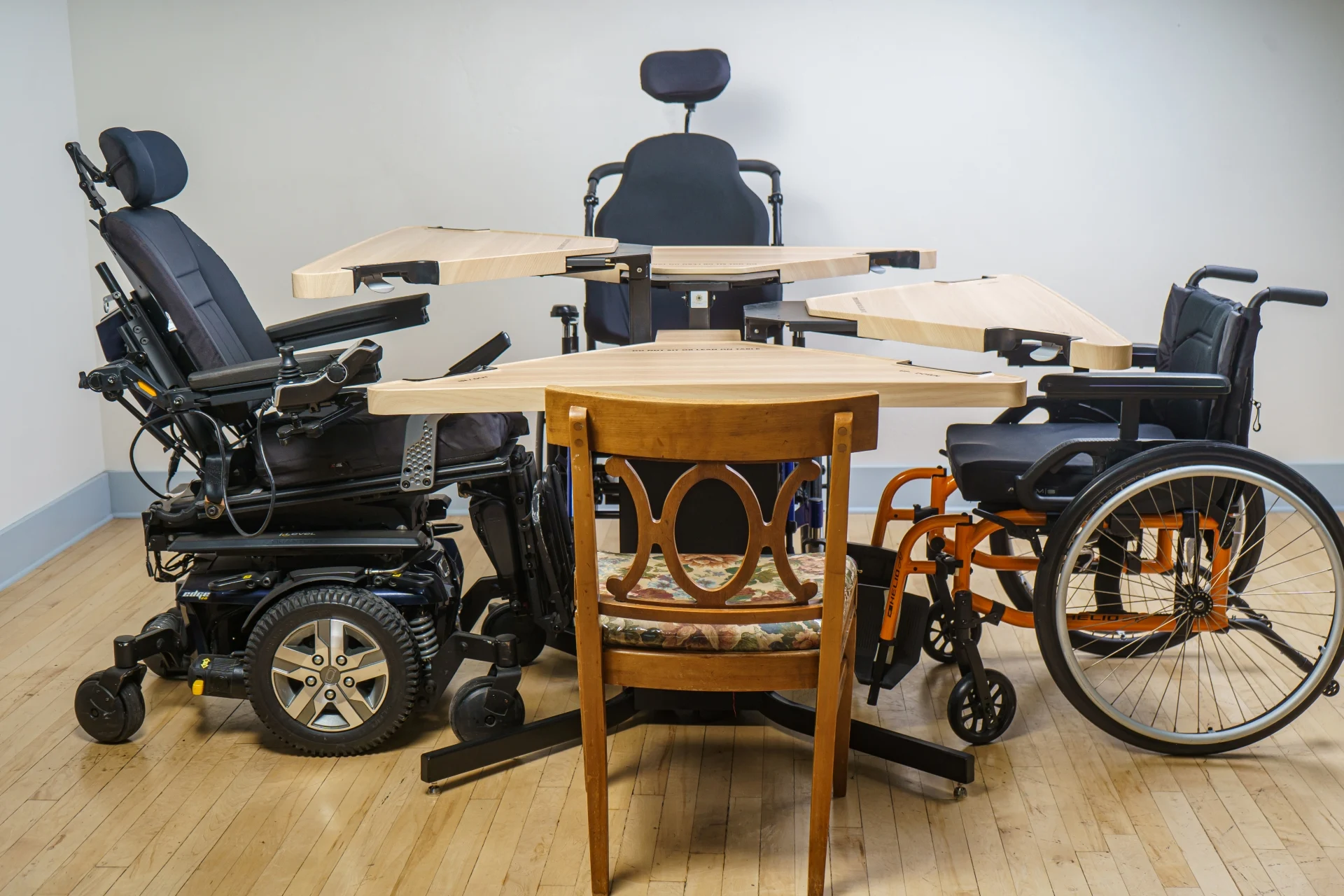
- Mobility impairments (such as wheelchair users)
- Vision or hearing impairments (blindness or deafness)
- Chronic illnesses (diabetes, kidney disease, lupus)
- Neurological or cognitive disabilities (epilepsy, multiple sclerosis, Parkinson’s disease)
- Meath health conditions (ADHD, bipolar disorder, autism)
Most importantly, the ADA protects people who are perceived to have a disability or have a history of one.
What Areas of Life Does the ADA Cover?
The American Disabilites Act is divided into five sections, called Titles, each addressing a different area of accessibility.
Title I: Employment
Employers with 15 or more employees must:
- Provide equal job opportunities
- Offer reasonable accommodations
- Avoid discrimination in hiring, promotion, training, pay, social activities, and termination
This includes local and state government, employment agencies, and labor unions.
Title II: State and Local Government
Public services must be accessible. This includes:
- Public transportation
- Government buildings
- Public schools and programs
- Voting and town meetings
- Healthcare and emergency services
- Social services
This section applies to state and local governments, even if they are small or receive money from the federal government.
Title III: Public Accommodations

Businesses and nonprofits open to the public must be accessible. This includes:
- Restaurants and retail stores
- Hotels
- Movie theaters
- Private schools, including housing
- Doctors’ offices and hospitals
- Day care centers
- Gyms
- Taxis, hotel and airport shuttles, and charter buses
Commercial buildings, such as warehouses, factories, and office buildings, only need to comply with the ADA Standards for Accessible Design
Title IV: Telecommunications
People with hearing and speech disabilities must be able to communicate. Accommodations telephone companies may provide include:
- Closed captioning
- Telecommunications relay services
Title V: Miscellaneous Provisions
This section outlines additional requirements for implementing this law. Examples include:
- Prohibiting people from retaliating against an individual who has asserted their ADA rights
- Outlining that an individual does not have to accept or use an aid or accommodation if they don’t want to
- Directing certain federal agencies to issue guidance explaining the law
- Authorizing courts to award attorney’s fees to the winning party if there’s a lawsuit regarding the ADA
What Does “Accessibility” Mean Under the ADA?
Accessibility means removing barriers that prevent people with disabilities from fully participating and ensuring they have equal, independent, and safe access to physical spaces, services, and digital information without discrimination. This can include:
- Wheelchair ramps and curb cuts
- Accessible parking spaces
- Wider doorways and hallways
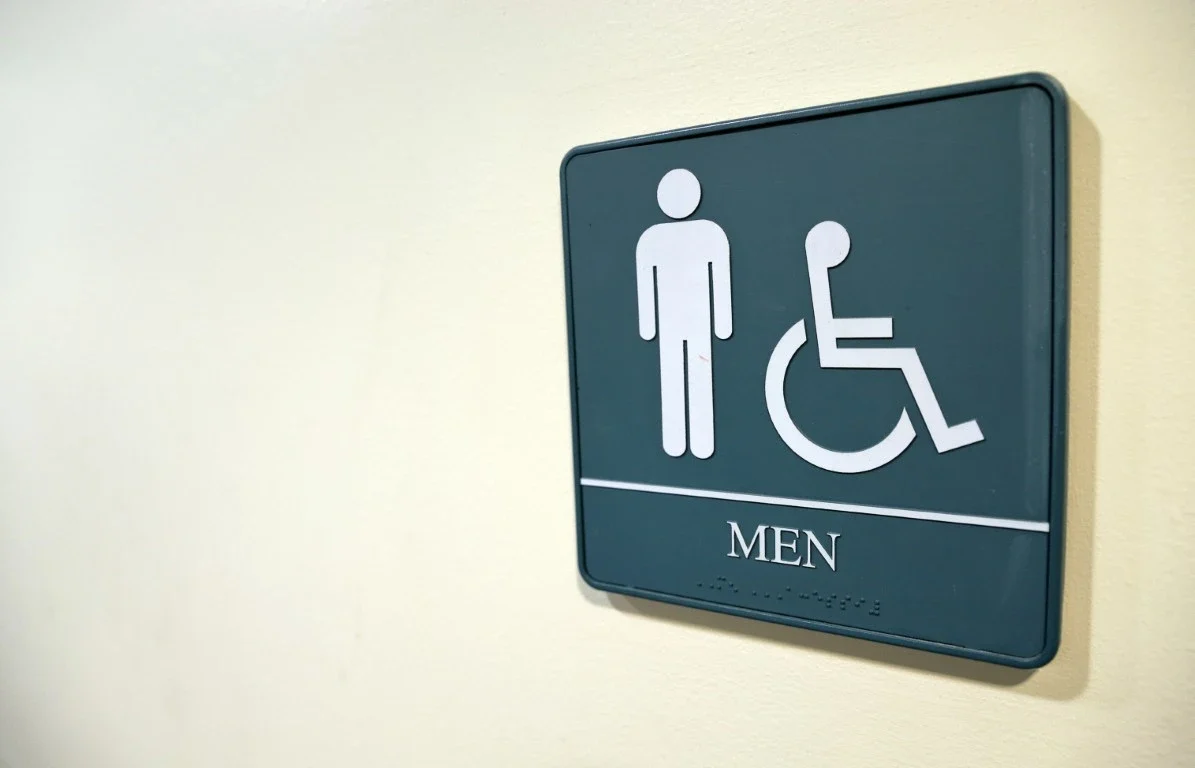
- Braille signage
- Sign-language interpreters
- Service animals
- Elevator access
- Accessible restrooms
- Sensory-friendly hours (dimming lights, turning off the radio, displaying static instead of moving images)
- Digital accessibility on websites and online services
The American Disabilities Act focuses on reasonable accommodations, which means making practical and achievable changes without causing undue hardship.
Why the ADA Matters
The ADA isn’t just about compliance but also inclusion, dignity, and equal opportunity. Accessibility benefits everyone, including:
- Parents with strollers
- Seniors with limited mobility
- People with temporary injuries
- Customers and employees of all abilities
Inclusive spaces are safer, more welcoming, and better for business and community engagement.

How to Learn More or Take Action
If you’re a business owner, property manager, or community member, learning ADA is the first step toward creating inclusive spaces. Consulting accessibility professionals or reviewing ADA guidelines can help ensure compliance and improve access for everyone.
Creating Better Services and Spaces for Everyone
The Americans with Disabilities Act plays a vital role in creating a more inclusive and equal society. By protecting the rights of people with disabilities and setting clear accessibility standards, this law helps ensure that everyone can navigate public spaces, access services, and participate fully in everyday life without unnecessary barriers.