Table of Contents
When customers come into a restaurant, their experience there is influenced by more than just what’s on the menu. A big part of their experience is about how the space makes them feel, especially for wheelchair users. From the moment they’re sat a table, subtle design choices begin to impact their comfort, confidence, and willingness to stay.
This is where the psychology of inclusive seating comes into play. Thoughtful seating design helps ensure that every guest, regardless of age, ability, or body type, feels welcomed and accommodated. By understanding how seating can affect human behavior, businesses can create spaces that improve overall customer experience.
Seating Matters
The psychology of inclusive seating is about much more than creating a dining area that is physically accessible for most. It focuses on how seating impacts emotions, independence, and a person’s sense of belonging. For wheelchair users and individuals with disabilities, the way a space is designed can influence whether they feel welcome or excluded.
Seating arrangements that separate individuals from their friends, family, or peers can unintentionally create feelings of isolation. Inclusive designs allow everyone to participate comfortably together. By considering the psychological impact of seating, businesses and organizations can create environments that support confidence, connection, and equal participation for everyone.
Sense of Belonging
A key part of the psychology of inclusive seating is creating a true sense of belonging. For individuals with disabilities and wheelchair users, accessibility is about more than just having a place to sit. It’s about feeling welcomed, respected, and included in the experience.
The design of a space directly influences how people view themselves within that environment. When the so-called accessible seating is separated from the main gathering area, placed in a less desirable location, or treated as an afterthought, it can create feelings of isolation for wheelchair users.
A thoughtfully designed space sends the message that everyone who visits is welcome and belongs. When wheelchair users and individuals with disabilities can sit together with others without the need for special accommodations or assistance, it promotes independence and confidence. By prioritizing belonging in design, businesses and organizations create spaces where every person feels valued.
Design Exclusion
Design exclusion occurs when spaces are created without considering the needs of all individuals, unintentionally creating barriers for people with disabilities and wheelchair users. While a space may appear functional on the surface, certain design choices like fixed seating, limited table clearance, or narrow pathways can make it difficult for individuals to participate comfortably and independently.
These physical barriers also have a significant psychological impact, creating feelings of frustration, isolation, or being overlooked in society. The psychology of inclusive seating recognizes that accessibility can’t just be about meeting a requirement. It has to be about creating environments where everyone feels included. By intentionally incorporating accessibility into the initial design process, spaces can allow for all individuals to participate equally.
Comfort & Behavior
Comfort plays a huge role in how people interact with and experience a space. For wheelchair users and individuals with disabilities, inclusive seating is about more than just physical accessibility. It’s about supporting independence, confidence, and a greater sense of participation. When seating arrangements are uncomfortable, difficult to navigate, or require individuals to rely on others for assistance, creating unnecessary stress, which takes away from their experience.
On the other hand, thoughtfully designed seating allows individuals to move, sit, and engage with others more naturally. The psychology of inclusive seating recognizes that physical comfort and emotional well-being are closely connected. When people feel comfortable in a space, they are more likely to participate, connect with others, and feel like they truly belong.
Human Experience
At its core, the psychology of inclusive seating is about improving the human experience. Accessibility is all about ensuring that wheelchair users and others with physical disabilities can participate, connect, and feel valued once they are there. It’s about more than just meeting basic requirements as well.
When seating arrangements are thoughtfully designed, this will remove barriers that can interfere with social interactions and everyday experiences. The way a space is designed sends a message about who is welcomed and considered and who is not. When accessibility is integrated into the environment, individuals are able to focus less on navigating obstacles and more on enjoying meaningful moments with the people around them.
Why Choose Us?
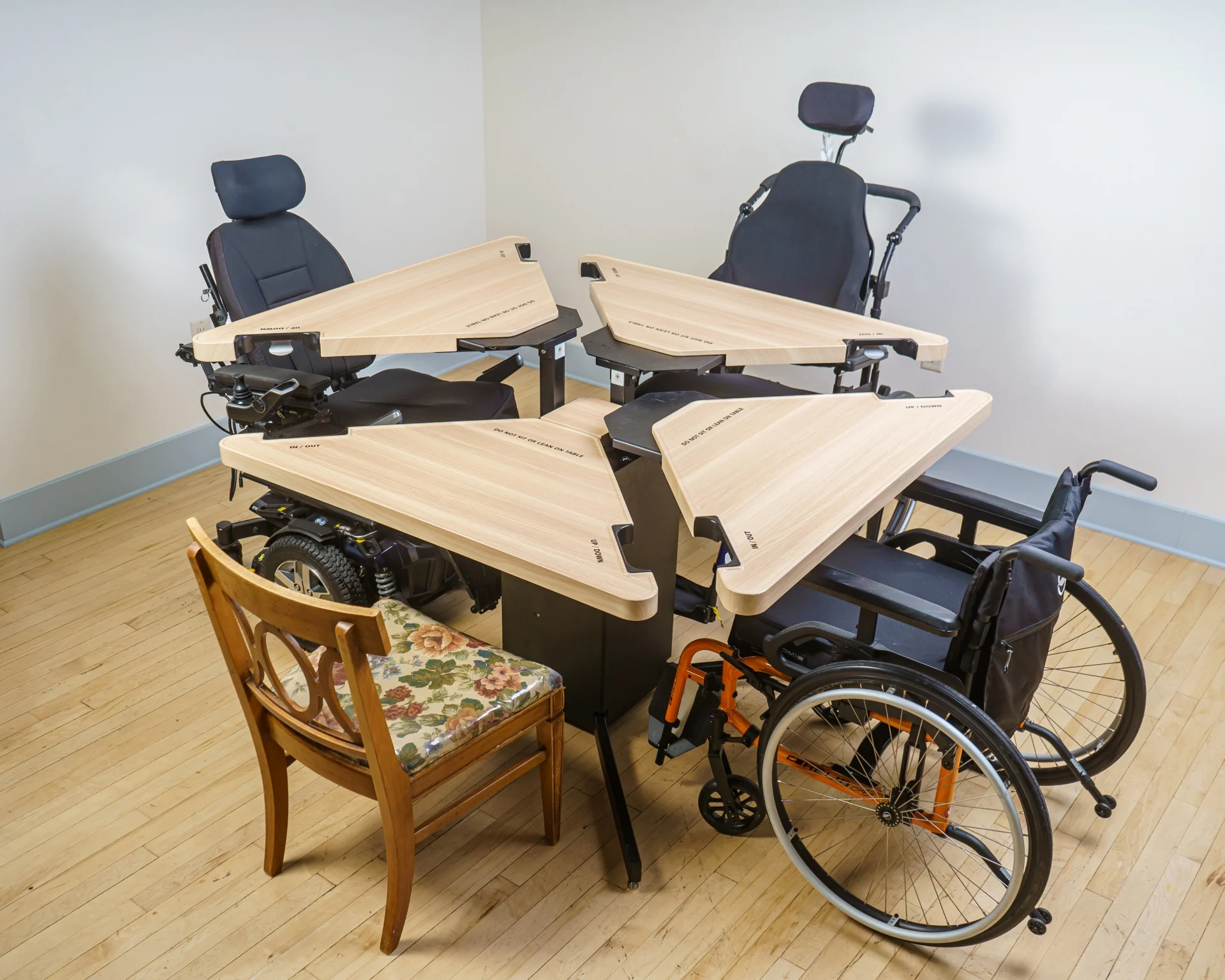
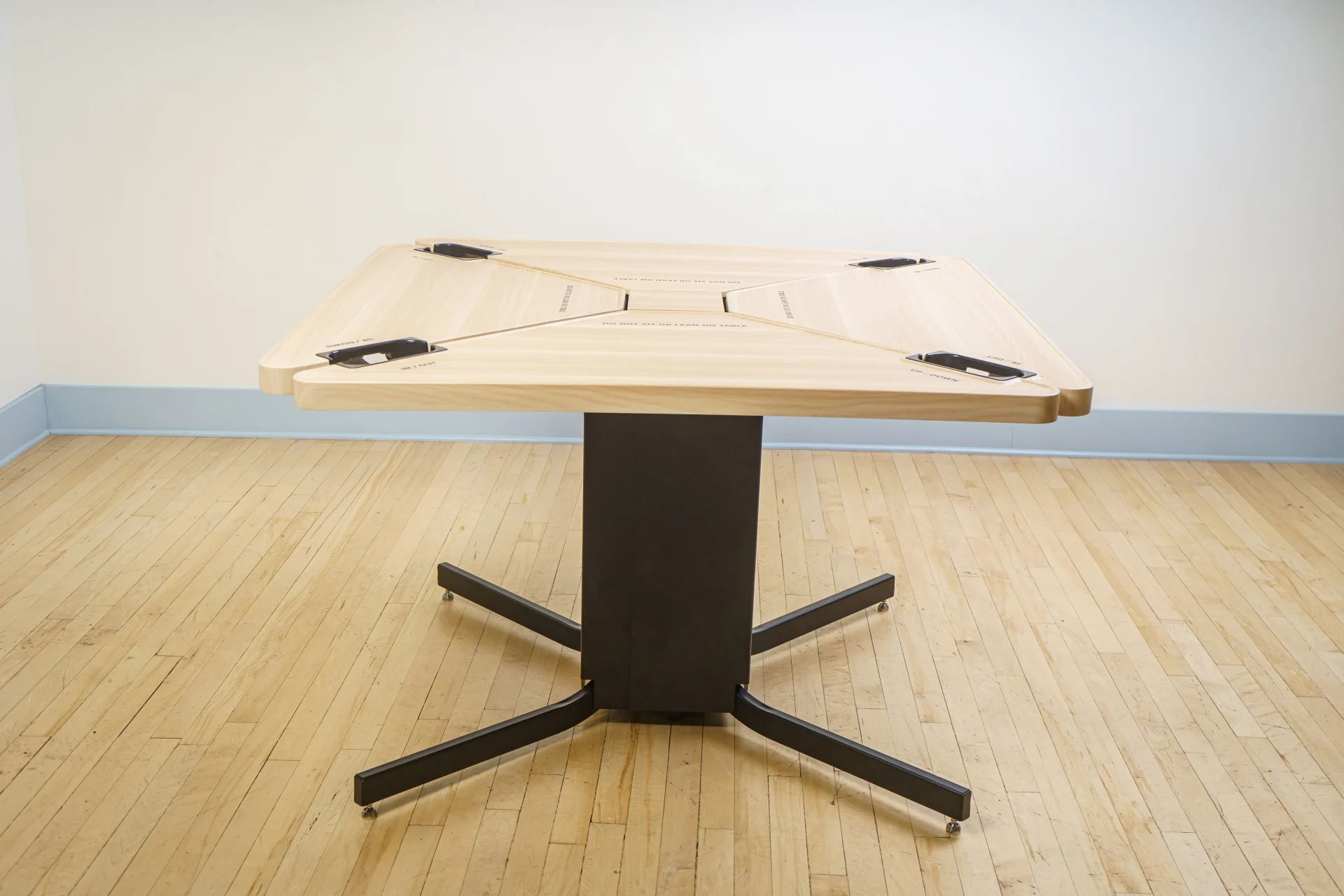
Choosing the right seating solutions creates an experience where every guest feels welcome. The Inclusion Table provides a thoughtfully designed, inclusive seating solution that helps restaurants and commercial spaces better serve people of all abilities, body types, and backgrounds. Contact us today to learn more about the Inclusion Table.