Table of Contents
Healthcare facilities are designed to provide essential medical care, but supporting patients means caring for more than just the physical health of patients. When a healthcare facility provides opportunities to socialize with family, friends, caregivers, and other patients can also play an important role in a person’s overall experience and well-being.
Social spaces give patients places to step outside of their usual routines, share a meal, participate in activities, or simply spend time with others. By thoughtfully designing social areas, healthcare facilities can create environments that encourage connection, support independence, and improve quality of life.
The Role of Social Spaces
Healthcare facilities are designed to provide essential care and support for wheelchair users, but they can also play an important role in creating community. Social spaces give patients, residents, families, and caregivers opportunities to spend time together outside of treatment areas. Whether it’s just sharing a meal, participating in a fun activity, or simply having a conversation, these spaces can help make healthcare environments feel less sterile and more comfortable and welcoming.
Social spaces can also help reduce feelings of isolation. Patients and residents may spend significant amounts of time away from their usual routines. This makes any opportunity for social interaction especially meaningful. Shared dining areas, lounges, and activity rooms can provide places where people can connect with others and maintain the important relationships in their lives.
For long-term care and residential healthcare facilities in particular, social spaces can help create a greater sense of community. They provide opportunities for everyday activities and interactions that support a person’s quality of life. By creating spaces where people can gather, healthcare facilities support the social and emotional needs of the people they serve.
Benefits for Patients
Social spaces can have a meaningful impact on a patient’s overall healthcare experience. Spending time in a social environment gives patients opportunities to interact with others, participate in activities, and maintain connections with others around them. Interacting with others helps reduce the feelings of isolation patients often feel, as well as providing a welcome break from routine medical care.
Having access to comfortable social spaces can also help patients maintain a sense of normalcy and independence during their stay. Even if it’s as simple as sharing a meal or playing a card game, it can bring familiar and comfortable experiences into a healthcare setting. When patients have opportunities to participate in social activities rather than remain isolated in their rooms, they can feel more engaged with their surroundings.
Ultimately, supporting social interaction is one way healthcare facilities can look beyond medical treatment and consider the whole person. Creating spaces where patients can connect and feel included will create a more positive experience during their time in a healthcare facility.
Connecting Patients and Families
For many patients, staying connected with family and loved ones is an important part of the healthcare experience. Social spaces give families a comfortable place to spend time together. These simple interactions provide a lot of comfort and stability during what otherwise might be a challenging or unfamiliar time.
These social spaces should also consider the needs of everyone using them, including patients, family members, and caregivers. When social areas are comfortable and accessible, more people can participate together without unnecessary barriers. Ultimately, creating spaces that bring patients and their loved ones together can help healthcare facilities provide a more supportive and inclusive experience.
Creating Accessible Spaces
Creating a social space that is truly inclusive is about more than simply making sure people can enter the room. Healthcare facilities should also consider whether patients, families, and caregivers can comfortably move around, use the furniture, and actually participate.
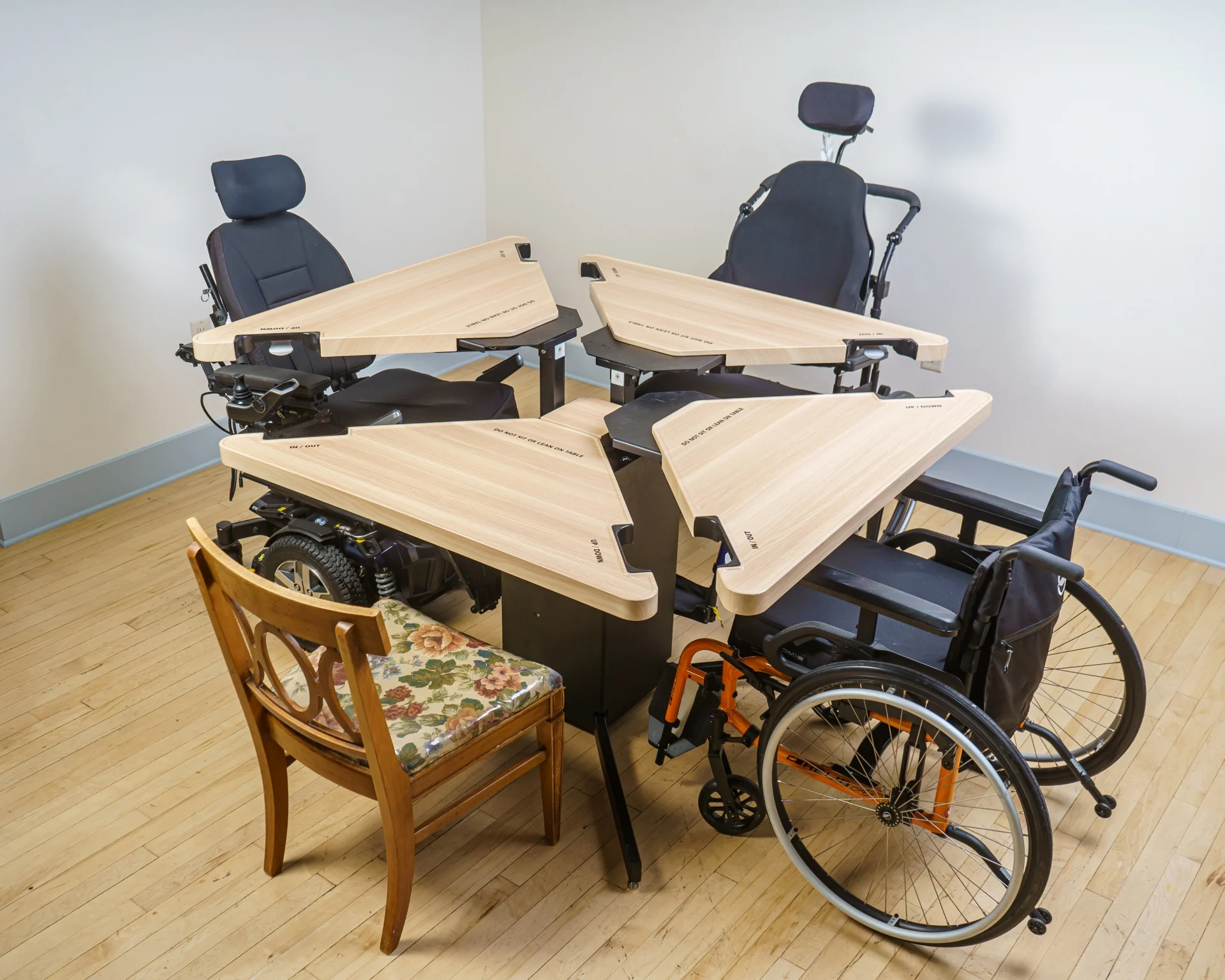
Furniture placement and layout make a huge difference. Social areas should provide enough room for wheelchairs, walkers, and other mobility devices while allowing people to comfortably approach tables and seating. Tables should also provide adequate space for different users to sit and participate without having to position themselves separately from everyone else.
Why Choose Us?
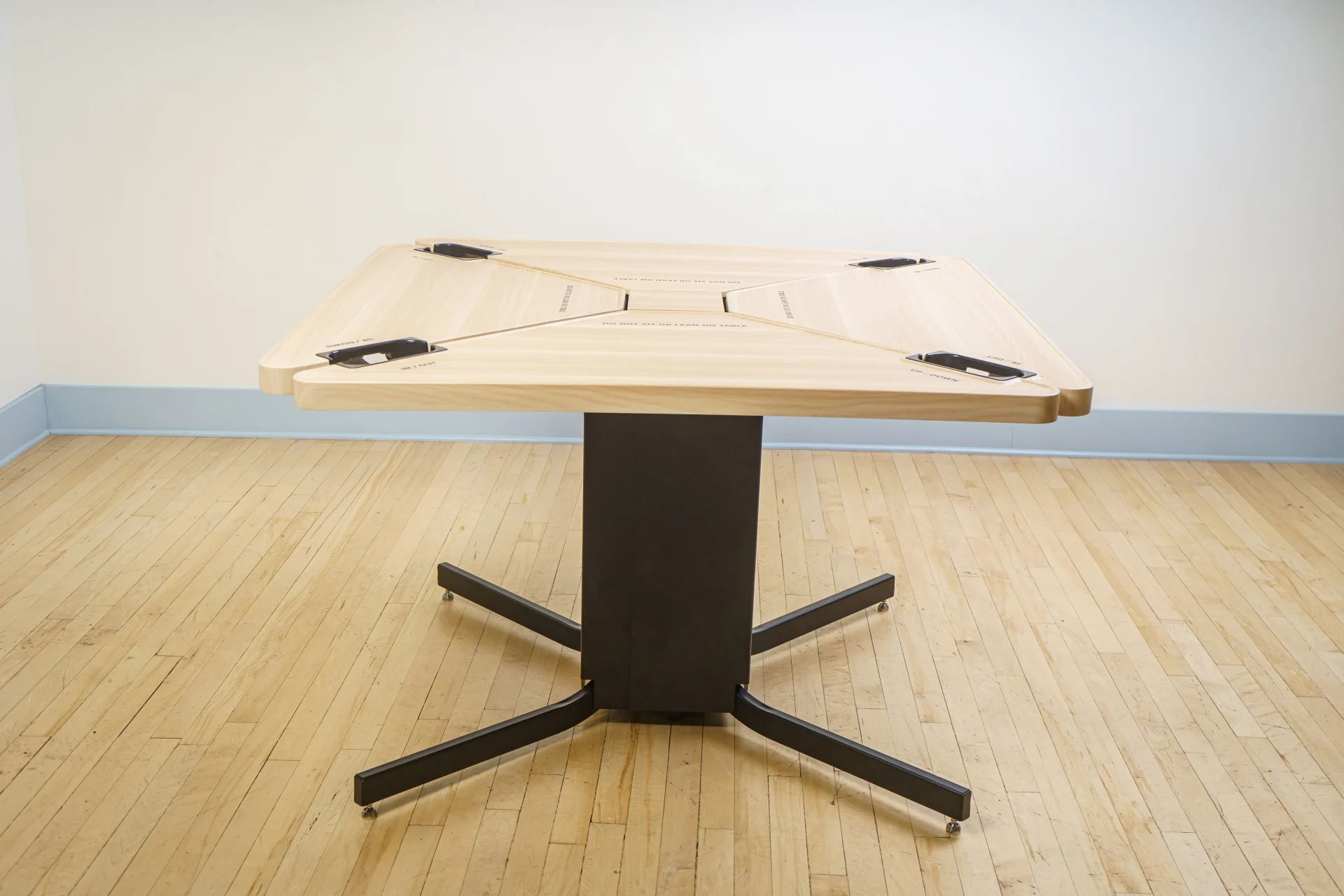
Creating an inclusive social space starts with choosing furniture that allows everyone to participate. The Inclusion Table is designed with accessibility and flexibility in mind, helping healthcare facilities create shared spaces where patients, residents, families, and caregivers can comfortably gather together.
With an adjustable design that accommodates different mobility needs, the Inclusion Table can support a variety of activities. For healthcare facilities looking to make their social spaces more welcoming and inclusive, the Inclusion Table is the perfect solution.