Table of Contents
- What Are Inclusive Products?
- Reducing Physical Strain on Caregivers
- Promoting Independence for Loved Ones
- Enhancing Safety in Everyday Environments
- Supporting Social Connection and Inclusion
- Simplifying Daily Routines
- Long-Term Value for Families
- Financial Considerations and Long-Term Savings
- Inclusive Products: A Win for Individuals and Caregivers

Caregiving requires compassion, responsibility, and often, significant physical and emotional dedication. Whether supporting a child with special needs, an aging parent, or a loved one recovering from an injury, caregivers often navigate daily challenges that require flexibility, patience, and resilience.
Inclusive products, designed to be accessible, adaptable, and user-friendly for people of all abilities, can make a meaningful difference not just for individuals but also the entire support system around them.
What Are Inclusive Products?
Inclusive products are designed with a broad range of users in mind, including those with physical, sensory, cognitive, or mobility challenges. Rather than being an afterthought or specialized add-on, accessibility is built into the design from the start. These products aim to reduce barriers and create environments where everyone can participate fully.
For caregivers and families, this means having easier, safer, and more efficient tools and solutions, which benefits both the person receiving care and the person providing it.
Reducing Physical Strain on Caregivers
Many caregiving tasks involve lifting, transferring, or assisting with mobility. Inclusive products, such as adjustable-height tables, ergonomic seating, and mobility-friendly home features, can significantly reduce the physical toll on caregivers.
For example, height-adjustable surfaces allow caregivers to assist without bending or straining, transfer-friendly furniture minimizes the risk of injury, and accessible layouts reduce unnecessary movement and effort.
By easing these physical demands, inclusive designs help caregivers maintain their own health, reduce stress, and avoid burnout.
Promoting Independence for Loved Ones
One of the most valuable benefits of inclusive products is the independence they allow individuals to retain. When products are intuitive and accessible, users can perform more tasks on their own, reducing reliance on caregivers.
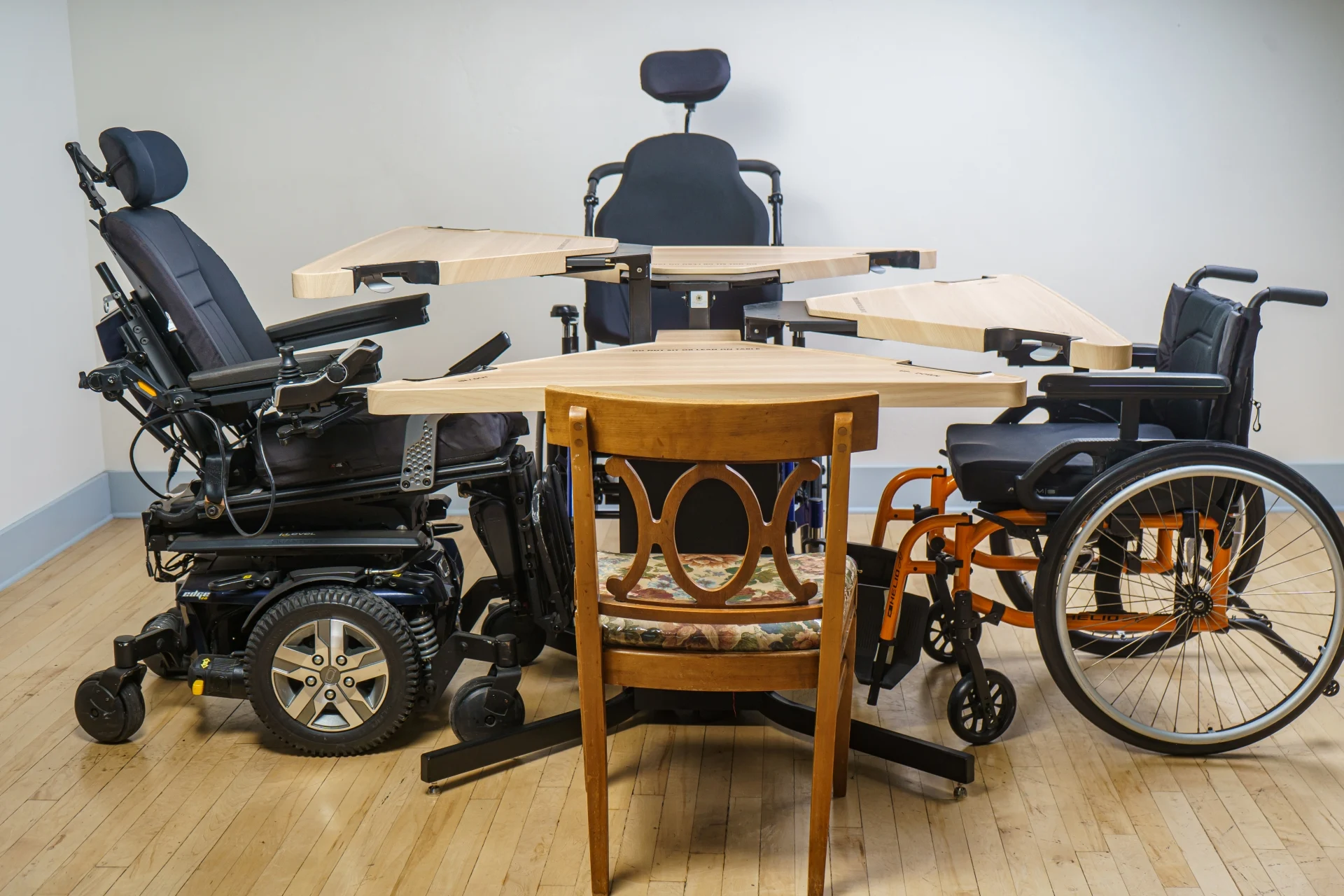
Easy-grip utensils and tools, adaptive seating and positioning systems, and multi-use tables that accommodate wheelchairs of varying heights all promote independence for individuals with disabilities.
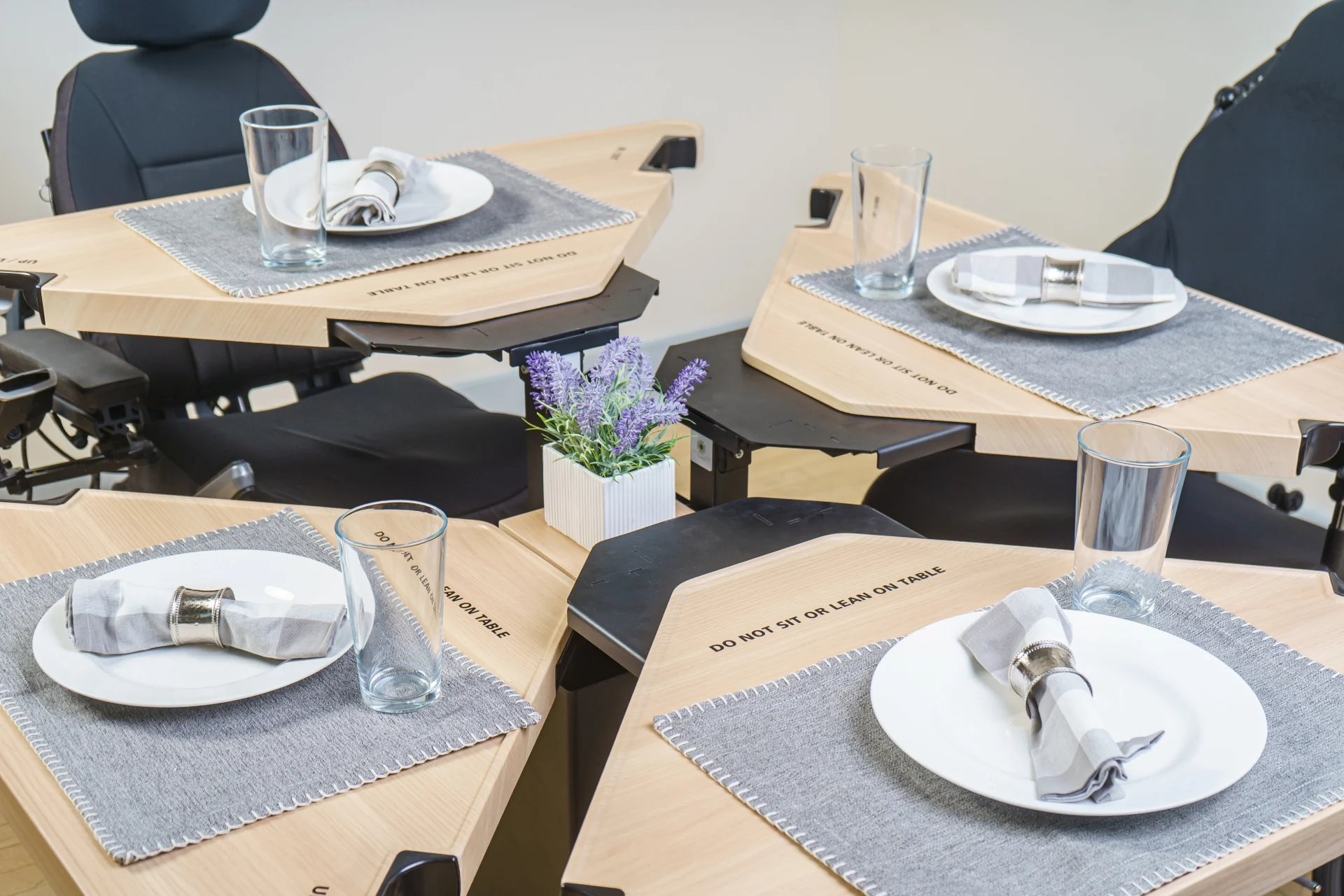
Greater independence not only boosts confidence and promotes dignity but also gives caregivers more time and flexibility in their day.
Enhancing Safety in Everyday Environments
Safety is a top priority in any caregiving situation. Inclusive products often include built-in safety features to help prevent accidents and injuries. For example, some products may have non-slip surfaces and stable structures, rounded edges and durable materials, or easy-to-operate locking mechanisms.
These features create safer environments at home, in school, and in community spaces, giving caregivers peace of mind and empowering individuals to partipate in activities on their own.
Supporting Social Connection and Inclusion
Caregiving can sometimes make the caregiver and the individual receiving care feel isolated. Inclusive products help create opportunities for shared experiences and social interaction.
For instance, inclusive tables and seating arrangements allow everyone to participate in meals, games, and activities together, and adaptive recreational equipment makes it easier to engage in sports and play. Additionally, video communication, in-home sensors, and remote monitoring platforms help families stay connected.
These share moment play an essential role in promoting emotional well-being, strengthening family bonds, and making accessibility a normal part of everyday life.
Simplifying Daily Routines
Caregiving often involves managing complex routines. Inclusive products are designed to be intuitive and efficient, helping streamline daily tasks. They allow for easier cleaning and maintenance, reduce setup time for activities or meals, and serve many other purposes.
By simplifying routines, caregivers can focus more on meaningful interactions rather than logistical challenges.
Long-Term Value for Families
Inclusive products help individuals in the moment as well as offer long-term value. Many are designed to grow with the user, adapting to different stages of life or levels of ability. This makes them a practical investment for families, as they reduce the need for frequent replacements and ensure they have constant support over the years.
Financial Considerations and Long-Term Savings
While some inclusive products have a higher upfront cost, they often lead to long-term savings. They can reduce the need for additional caregiver assistance, lower the risk of injuries, and allow for fewer product replacements over time.

If cost is a significant concern, many families may qualify for funding support through insurance programs, medicaid waivers, or local or national accessibility grants. These options make inclusive solutions more accessible and affordable.
Inclusive Products: A Win for Individuals and Caregivers
Caregivers play an essential role in supporting the health, comfort, and happiness of their loved ones. Inclusive products act as powerful allies in that journey, reducing strain, increasing independence, and creating safer, more connected environments.
By prioritizing inclusive products and design in homes, schools, and communities, you not only support individuals with diverse needs but also empower families and caregivers who help them every day.