Table of Contents
The Americans with Disabilities Act (ADA) was enacted in 1990 to ensure people with disabilities have equal access to public spaces, employment, transportation, and services. For businesses, ADA compliance isn’t optional; it’s a legal requirement.
But what happens if a business isn’t ADA-compliant?
From legal action to reputational damage, business owners can face significant consequences. Here’s what you should know.
What Businesses Need to be ADA-Compliant?
Under Title III of the ADA, private businesses that serve the public (known as “public accommodations”) must remove barriers and ensure individuals with disabilities have equal access to goods and services.
Businesses that need to be ADA-compliant include:
- Restaurants
- Hotels
- Retail stores
- Movie theaters
- Private schools, including housing
- Doctors’ offices and hospitals
- Day care centers
- Gyms
- Organizations offering courses or examinations
This also includes privately operated transit, such as taxis, buses, hotel shuttles, and airport shuttles.
1. Legal Consequences and Lawsuits
One of the most immediate risks of non-compliance is legal action. If private businesses fail to accommodate those with disabilities:
- Customers can file complaints
- Lawsuits can be brought to federal court
- The U.S. Department of Justice (DOJ) may investigate.
If the DOJ gets involved, business owners can face substantial civil penalties. They may be required to:
- Pay fines (could be up to $75,000 or even $150,000)
- Cover the plaintiff’s attorney fees
- Make mandatory accessibility modifications
Even if a lawsuit settles quickly, legal costs alone can be financially draining, especially for small and mid-sized businesses.
Note: Businesses with websites lacking accessibility features are targeted the most, with thousands of lawsuits filed annually.
2. Financial Penalties and Retrofits
Beyond legal fees, non-ADA-compliant businesses often face expensive retrofits.
Examples of common violations include:
- Inaccessible entrances (no ramp or improper slope)
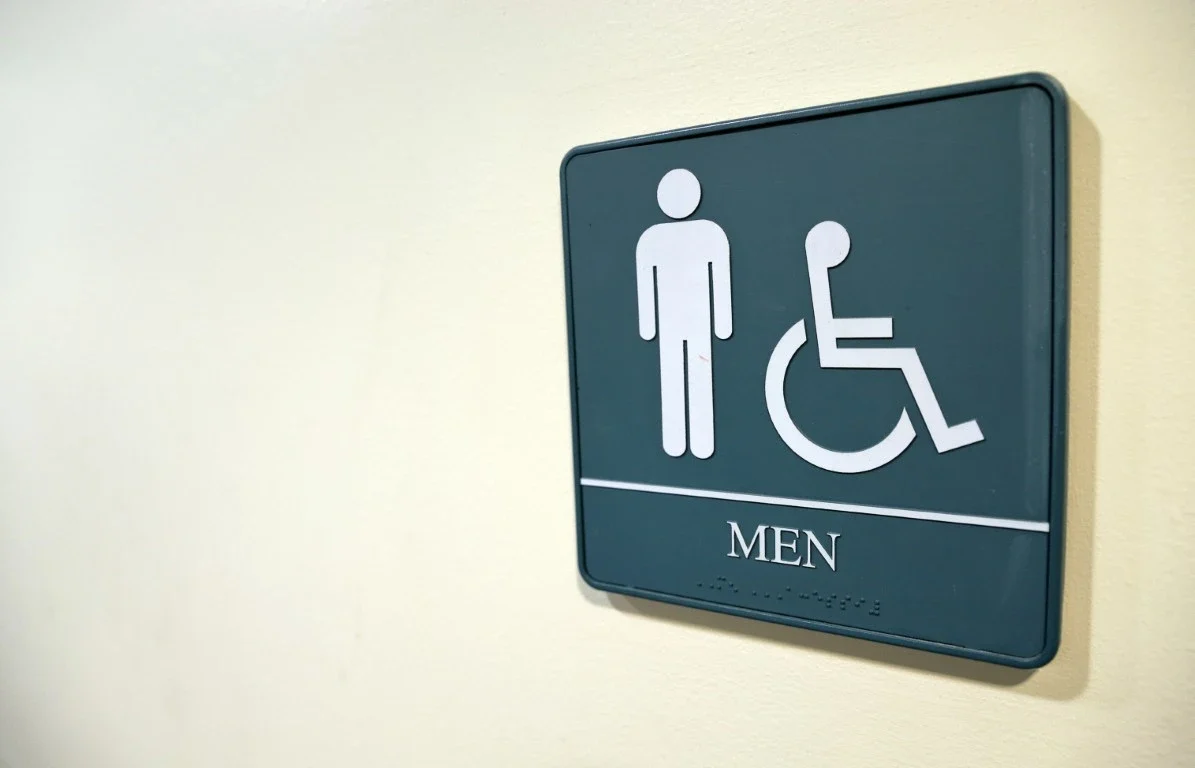
- Non-compliant restrooms
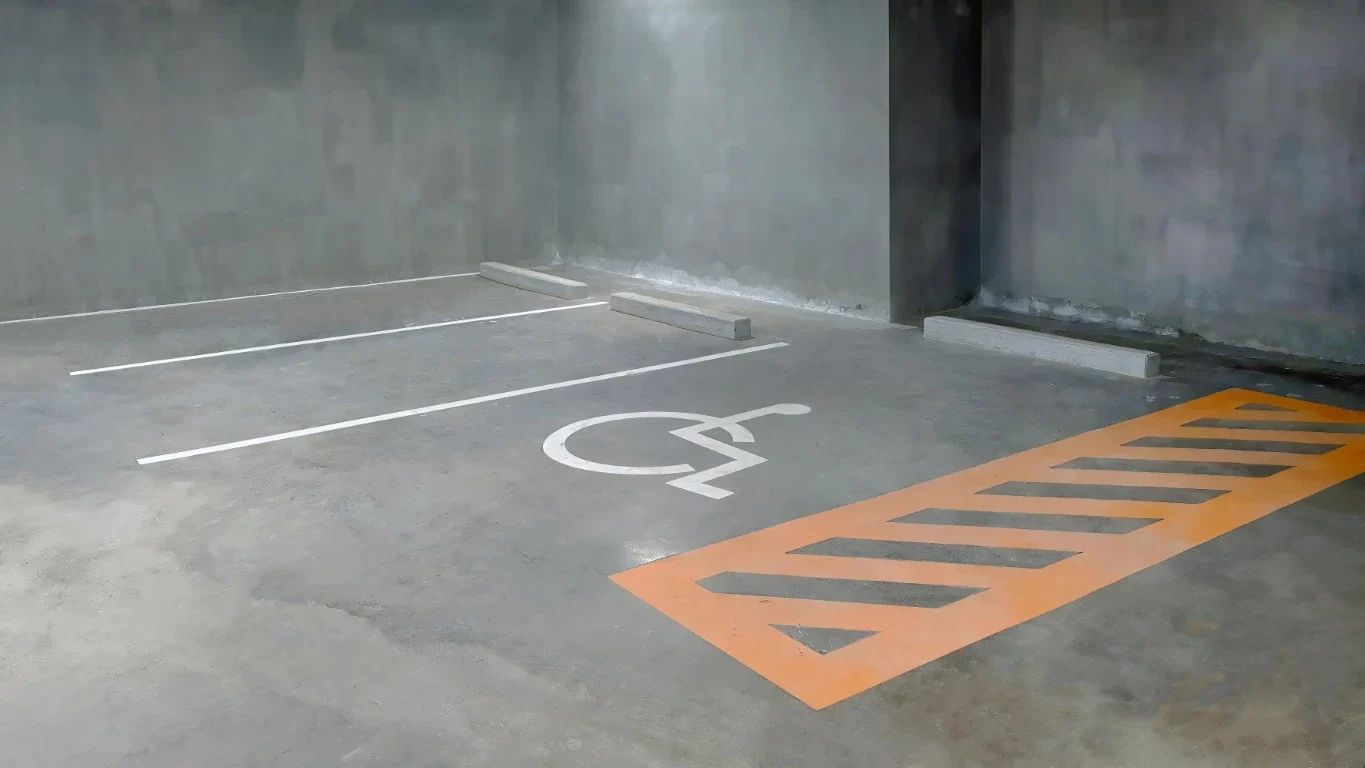
- Lack of accessible parking
- Narrow doorways or aisles
- Lack of braille or tactile signage
- Websites that are not accessible to screen readers, lack alt text for images, and have missing keyboard navigation
If a court orders compliance, businesses may need to make upgrades on a strict timeline and possibly at a higher cost than if accessibility had been built into the original design. They may also be forced to shut down temporarily.
Proactive compliance is almost always less expensive than reactive renovation.
3. Damage to Reputation
In today’s digital world, word travels fast. If a business fails to be ADA-compliant, it can face:
- Negative reviews
- Social media backlash
- Public criticism
- Loss of customer trust
When businesses prioritize accessibility, they demonstrate not only legal compliance but also a strong set of values. Customers increasingly support businesses that prioritize inclusion and equality.
A public ADA lawsuit can significantly harm a brand’s reputation, especially in smaller communities.

4. Loss of Customers and Revenue
Approximately one in four adults in the United States lives with a disability. That represents a significant portion of the market.
If your business fails in the following areas, you may unintentionally exclude a large segment of potential customers:
- It isn’t physically accessible
- Doesn’t offer accessible communication
- Has a website that can’t be navigated with assistive technology
Inaccessible businesses are not only at risk of lawsuits but may also lose revenue opportunities.
5. Operational Disruptions
ADA complaints and investigations can interrupt day-to-day operations. Owners may need to:
- Attend legal proceedings
- Meet with inspectors
- Close areas of the business for renovations
These disruptions cost time, money, and productivity.
6. Increased Scrutiny
Once a business has been flagged for ADA violations, it may face ongoing scrutiny. Repeat complaints can lead to:
- Stricter oversight
- Additional inspections
- Higher legal exposure
Compliance should be viewed as an ongoing responsibility, not a one-time project.
What Should Businesses Do?
If you’re unsure whether your business meets ADA standards, consider taking proactive steps:
- Conduct an accessibility audit (physical and digital)
- Review ADA design standards and building codes
- Make reasonable modifications where barriers exist
- Train staff on accessibility best practices
- Work with professionals who specialize in ADA compliance
Accessibility improvements often benefit all customers, not just those with disabilities.
The Bottom Line
Failing to comply with the Americans with Disabilities Act can lead to lawsuits, financial penalties, reputational damage, and lost revenue. More importantly, it prevents members of your community from having access to your goods or services.
Being ADA-compliant not only helps your business avoid penalties but also helps you create an inclusive space where everyone can participate fully and independently.
When businesses prioritize accessibility, they protect themselves legally, as well as strengthen their brand, expand their customer base, and demonstrate leadership in their communities.