-

How Inclusive Products Support Caregivers and Families
Caregiving requires compassion, responsibility, and often, significant physical and emotional dedication. Whether supporting a child with special needs, an aging parent, or a loved one recovering from an injury, caregivers often navigate daily challenges that require flexibility, patience, and resilience.
-
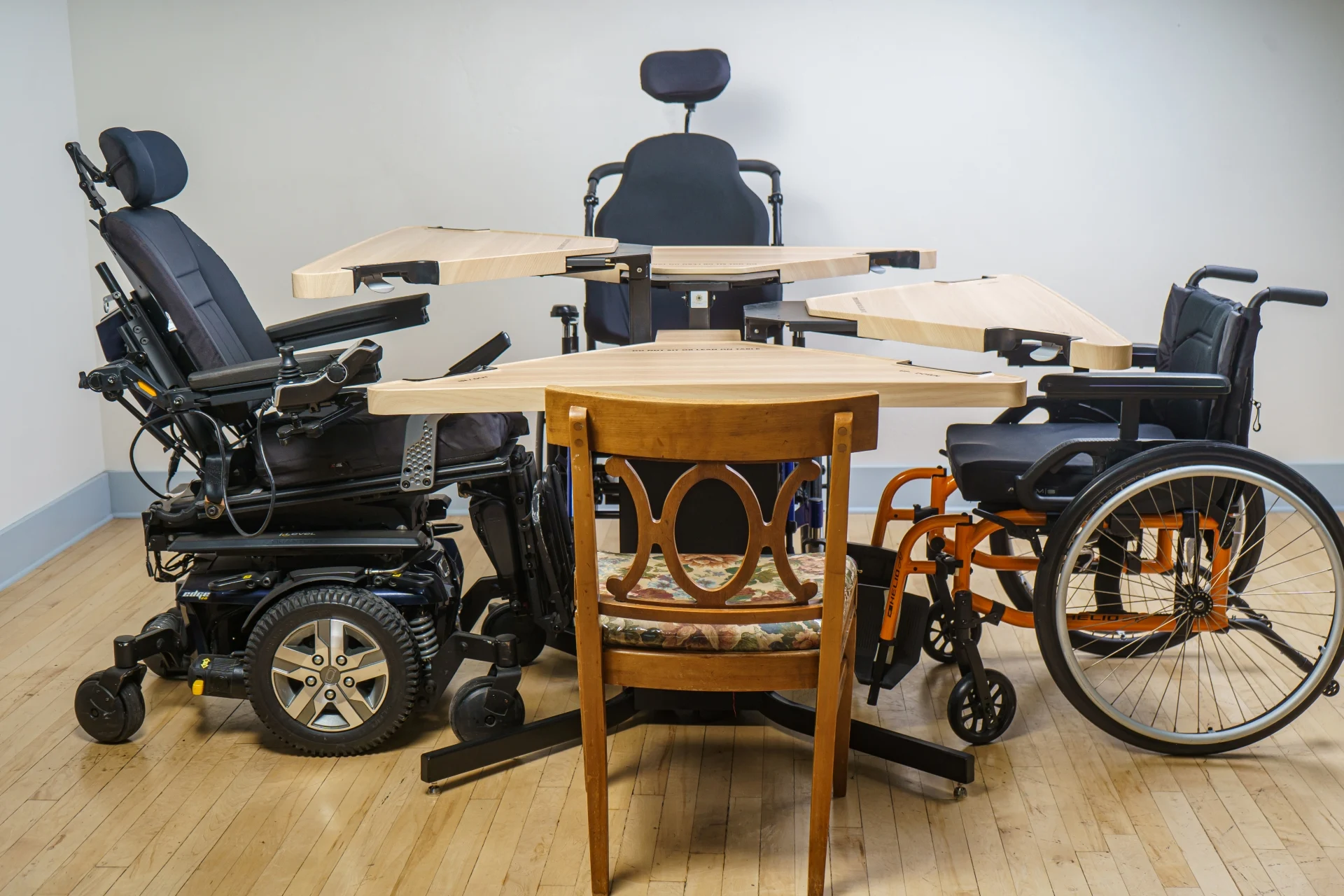
Inclusion Tables vs. Traditional Tables: A Comparison Guide
Creating an inclusive, accessible environment, whether at home, in a classroom, or in a public space, often starts with furniture choices. Tables may seem simple, but the right design can make a significant difference in comfort, usability, and independence for everyone — not just those with disabilities.
-

What Happens If a Business Isn’t ADA-Compliant?
The Americans with Disabilities Act (ADA) was enacted in 1990 to ensure people with disabilities have equal access to public spaces, employment, transportation, and services. For businesses, ADA compliance isn’t optional; it’s a legal requirement. But what happens if a business isn’t ADA-compliant? From legal action to reputational damage, business owners can face significant consequences.…