Table of Contents
- Accessibility Affects More People Than You Think
- Small Barriers Create Big Frustrations
- Universal Design: Good for Everyone
- Accessibility Supports Independence
- The Aging Population Makes Accessibility Even More Important
- Accessibility Improves Safety
- Technology Is Raising the Standard
- Accessibility Is Good Business
- Shifting the Mindset
- Accessibility Benefits Everyone

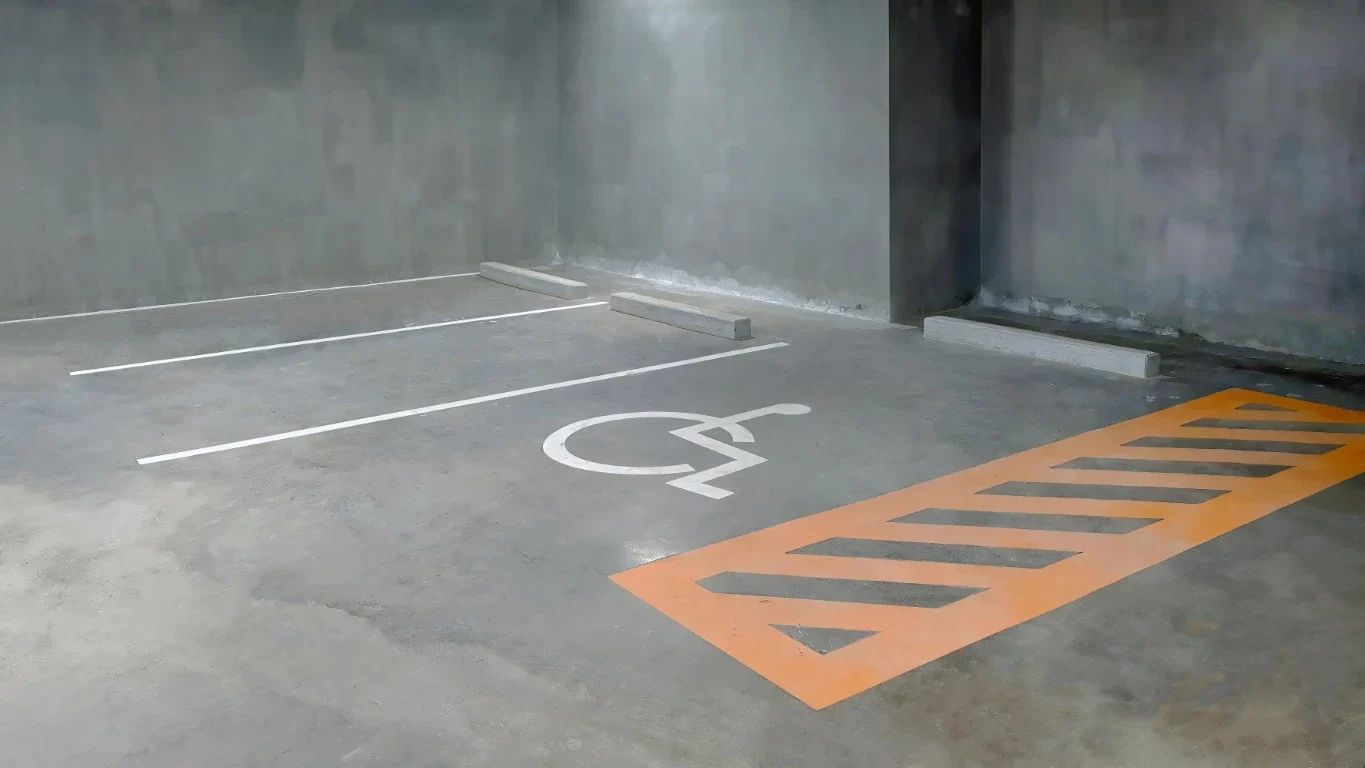
When people think about accessibility, they often picture wheelchair ramps, braille signs, or designated parking spaces. While those play an important role, accessibility stretches far beyond public spaces. It shows up in the everyday items we use: door handles, kitchen tools, websites, packaging, light switches, and even furniture.
Investing in accessible design doesn’t just make life easier for those with disabilities; it benefits everyone.
Accessibility Affects More People Than You Think
According to the Centers for Disease Control and Prevention (CDC), 1 in 4 adults in the United States lives with a disability. Disabilities can be:
- Physical (limited mobility, arthritis, or injury recovery)
- Sensory (vision or hearing loss)
- Cognitive (processing or memory challenges)
- Temporary (broken arm or surgery recovery)
- Situational (carrying a baby, pushing a cart, or navigating in low lighting)
Accessibility doesn’t just help those with permanent conditions. At some point, most people will experience temporary or situational limitations.
Small Barriers Create Big Frustrations
Many everyday items unintentionally create barriers:
- Round doorknobs that are difficult for those with arthritis to turn
- Heavy doors without automatic openers
- Hard-to-open packaging
- Instructions with small print
- Slippery or narrow stair treads
- Poor lighting in workspaces
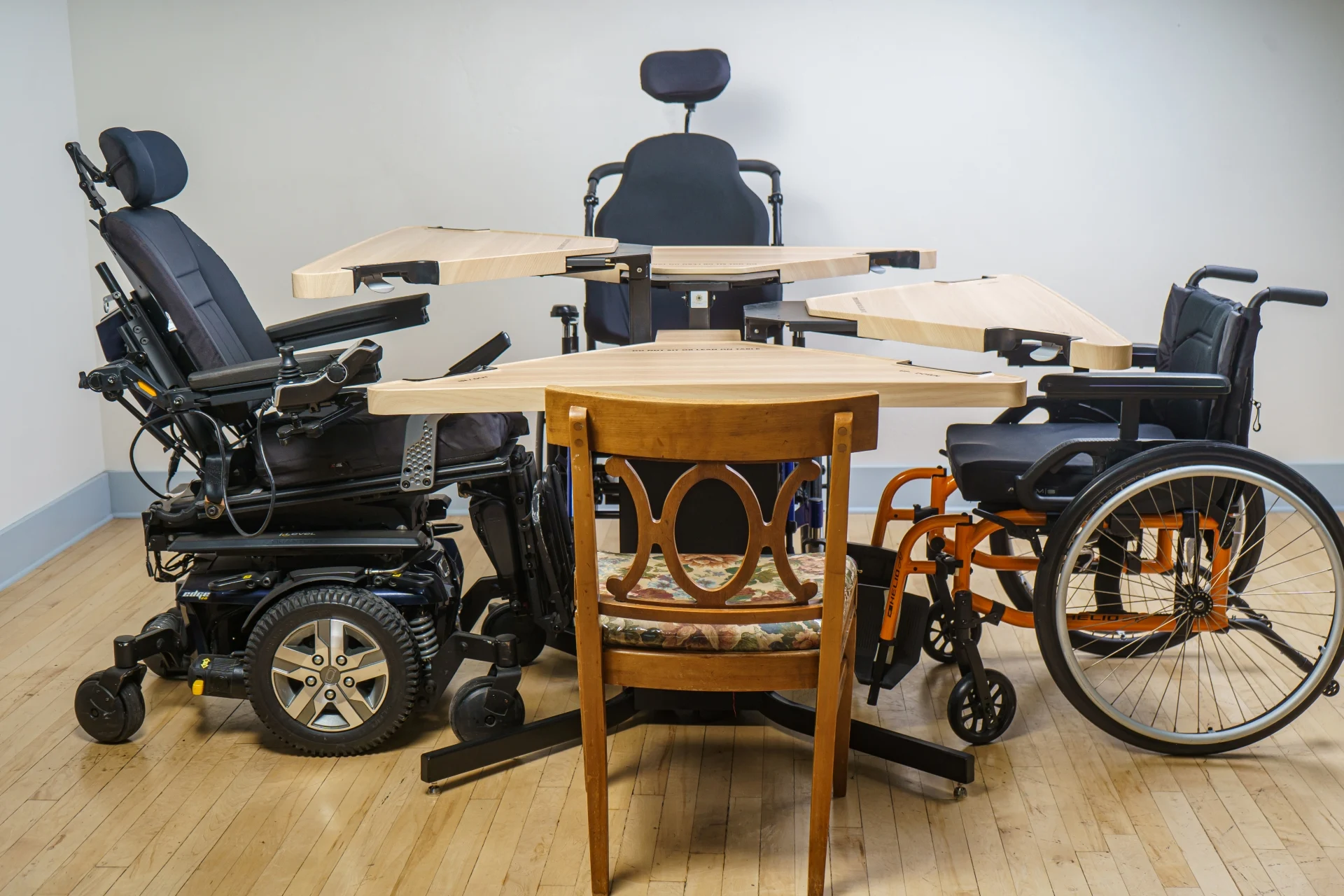
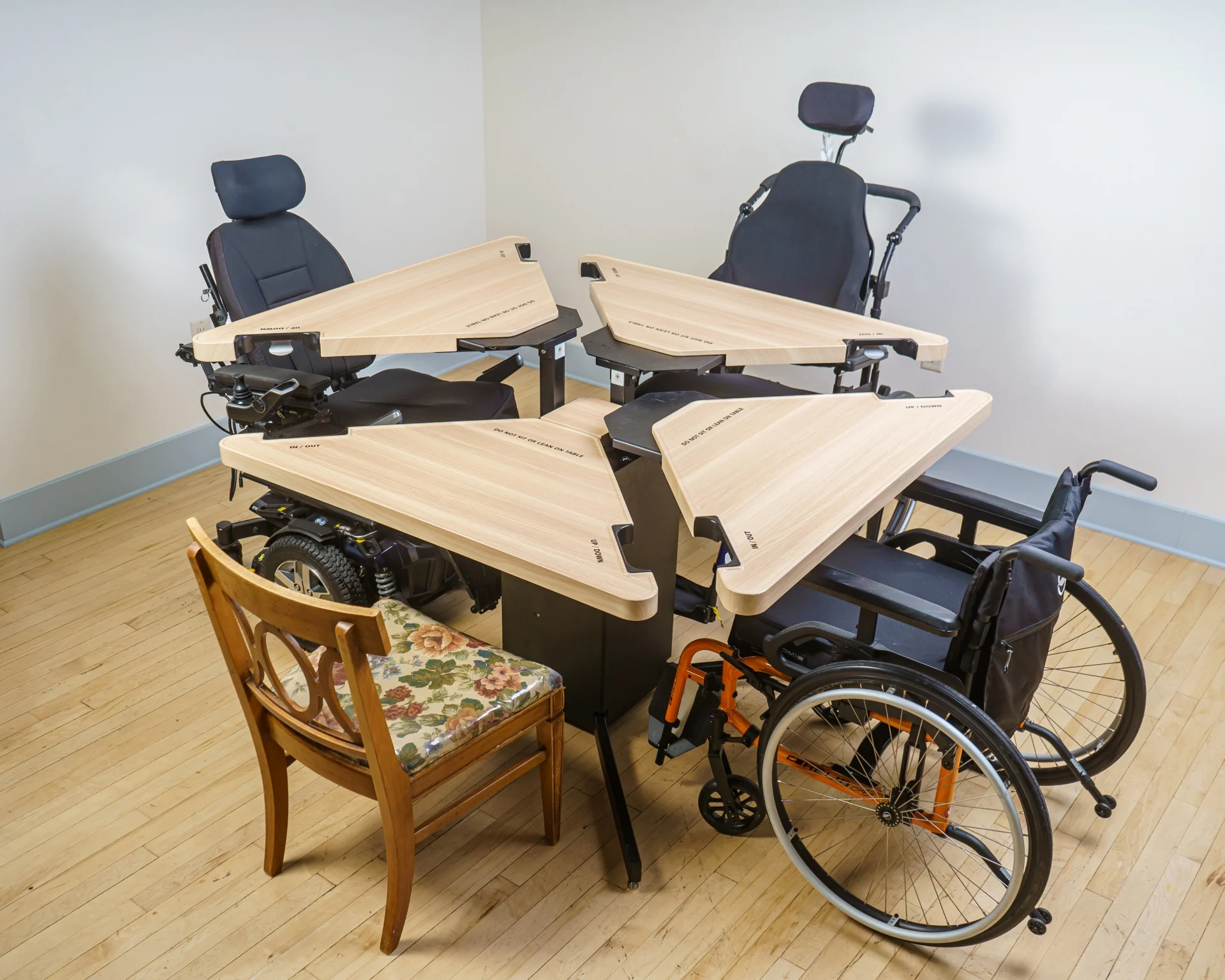
- Standard dining room tables
These accessible design oversights can turn simple tasks into frustrating or even unsafe experiences.
When items are created without accessibility in mind, people are excluded. When accessibility is considered from the start, inclusion becomes natural.
Universal Design: Good for Everyone
Universal design focuses on creating products and environments usable by as many people as possible without the need for adaptation.
Examples of universal design include:
- Lever-style door handles instead of knobs
- Motion-sensor lighting
- Touchless faucets and sensors
- Clear, high-contrast labeling
- Adjustable-height desks and counters
- Voice-controlled technology
- No-step entries
- Wide hallways and doorways
When accessibility is built in, it often improves comfort, safety, and efficiency for all users.
Accessibility Supports Independence
Accessible design in everyday items allows people to maintain independence longer:
For older adults, making the following modifications can significantly reduce fall risk and reliance on caregivers:
- Easy-open cabinets
- Walk-in showers with grab bars
- Raised toilet seats
- Non-slip flooring
- Easy-reach shelving
- Wheelchair ramps
- Lowered countertops
Independence supports dignity and allows people to move through their homes and communities with confidence instead of constant assistance.
The Aging Population Makes Accessibility Even More Important
The United States population is aging rapidly. About 10,000 adults turn 65 every day, causing what is known as the “silver wave.” As more people enter retirement years, issues with mobility, vision, and strength become more common.
Prioritizing accessible design in everyday products prepares homes and businesses for this demographic shift.
This is particularly important in industries like:
- Home design and remodeling
- Healthcare
- Retail
- Technology
- Transportation
- Product manufacturing
Businesses that prioritize accessibility position themselves to better serve a growing market.
Accessibility Improves Safety
Accessible design often overlaps with safety. For example:
- Non-slip surfaces reduce fall risk
- Wider walkways reduce tripping hazards
- Proper lighting improves visibility
- Clear labeling prevents misuse
- Ergonomic tools reduce strain injuries
- Clear, compliant pathways allow for easier evacuation during emergencies
When everyday items are easier to use, accidents decrease. This benefits individuals and families, as well as businesses.
Technology Is Raising the Standard
Modern technology has dramatically expanded accessibility options. Voice assistants allow users to control lights, thermostats, and entertainment, as well as communicate with people hands-free. Smartphones now include built-in accessibility features like:
- Voice-to-text
- Screen readers
- Magnification
- Closed captioning
- Keyboard navigation and shortcuts
- Alt text (descriptive text for images read by screen readers)
These features are no longer considered “special accommodations.” They are standard and widely used by people of all abilities.
Accessibility Is Good Business
Beyond ethics and compliance, accessibility makes good financial sense.
When products and environments are easier to use:
- Customer satisfaction increases
- Brand loyalty grows
- Legal risks decrease
- Market reach expands
Businesses that overlook accessibility measures risk excluding a significant portion of their audience. In contrast, businesses that prioritize inclusive design often gain a competitive advantage.
Shifting the Mindset
Accessibility shouldn’t be an afterthought or an item on a checklist. When creating a product or designing a building, you should ask:
- Can someone with limited hand strength use this?
- Can someone with low vision read this?
- Can someone with mobility challenges navigate this space?
- Can this be used safely by a child or older adult?
When these questions are part of the design process from the beginning, accessibility feels natural.
Accessibility Benefits Everyone
Accessible design isn’t about giving a small group of people special treatment; it’s about acknowledging human diversity. At different stages of life or even different moments of the day, everyone benefits from products and spaces that are easier, safer, and more intuitive to use.