Table of Contents
Accessibility is often seen as a legal must-do, a checklist of measurements and clearances defined by the ADA. We believe that meeting the minimum requirement is just the beginning. When we move beyond simple accessibility and embrace universal design, we start building for people instead of requirements. Universal design isn’t just a niche specialty, it helps make environments more functional for everyone. Here are the five life-changing benefits of prioritizing universal design in any space.
1. Eliminates the “Social Gap”
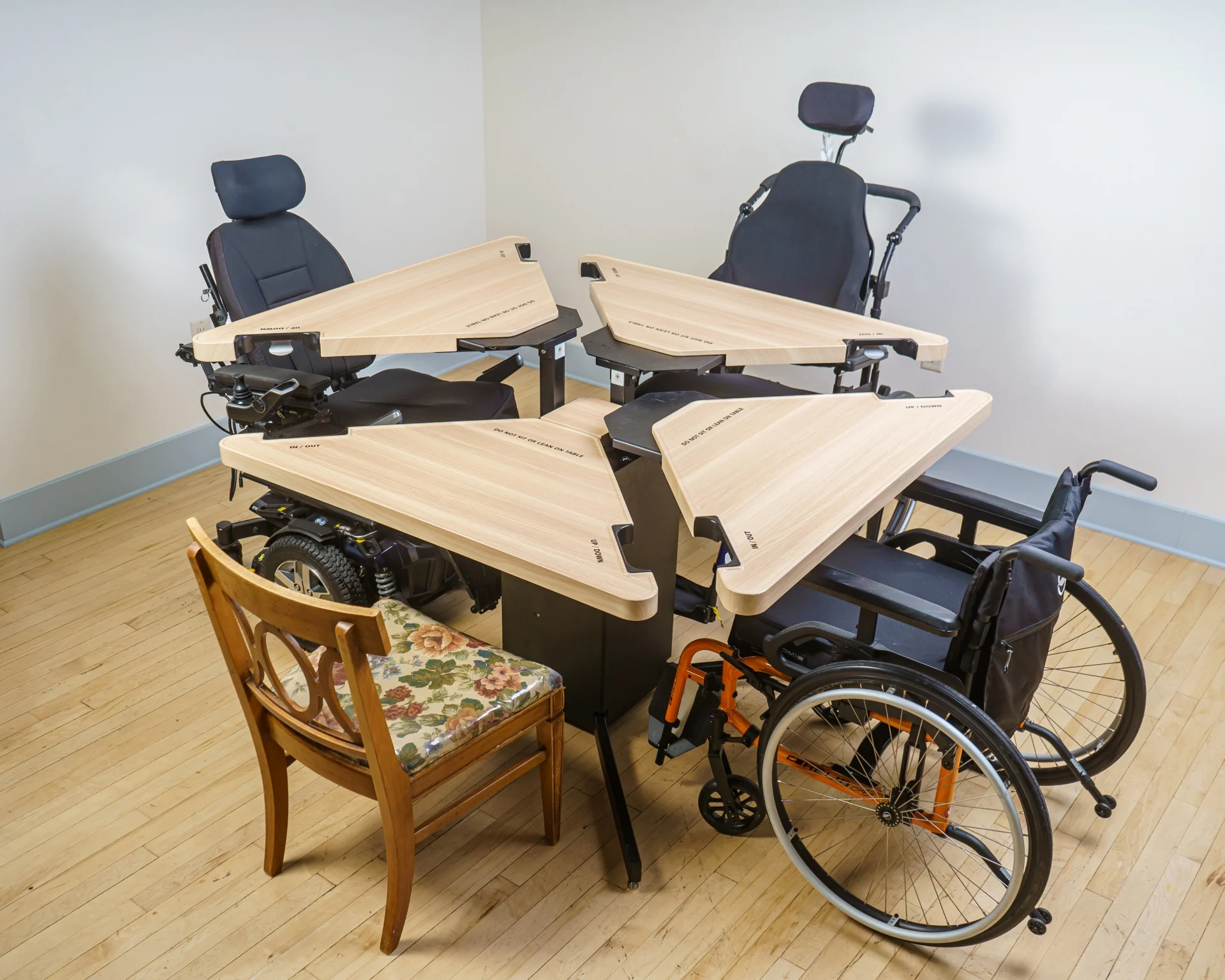
Though standard accessible seating is a required accommodation by the ADA, it often isolates a person at the end of a table or in a separate section. It seems like an afterthought added at the very end rather than something intentionally core to the design. While these seats may technically be compliant, they aren’t always inclusive.
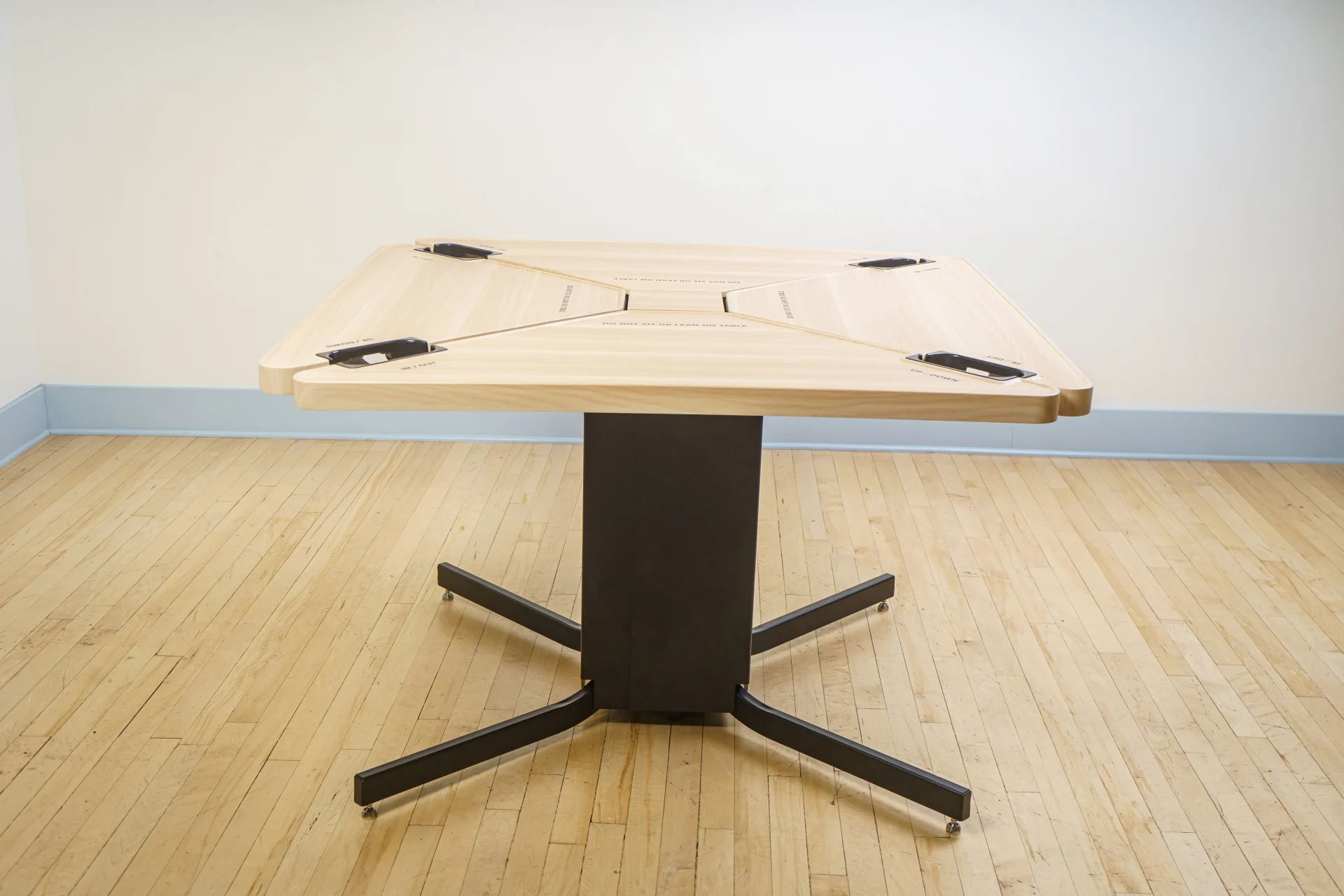
Most traditional tables have pedestals or legs that can block a wheelchair from pulling in close to the table. True accessibility is the ability to choose. It’s the freedom to sit wherever you want rather than being forced into a designated spot. Universal design ensures that the table is adaptable to the individual, not the other way around. By removing those barriers, we make sure everyone is at the same eye level and seated exactly where they want to be.
2. Promotes Independent Living
Many think that people with disabilities need the help of caregivers or family members to do day-to-day tasks. While this may be true for some, promoting independent living for those who have disabilities is important. Independent living can help people with disabilities develop independent life skills, better their mental health, improve their social skills, and so much more. Universal design is just one way for those with disabilities to live more independently.
When a product or environment is designed with the average user in mind, it creates a cycle of dependency for anyone who doesn’t fit that mold. A person shouldn’t have to wait for assistance just to sit down for a meal, engage in a favorite hobby, or feel like their presence requires work before they can participate. True inclusion is when the environment is intuitive enough that the individual can navigate it themselves. Whether a person lives alone or with a support system, inclusive products can help them be more self-sufficient.
3. Future-Proofing Environments
Investing in an environment should be a one-time decision, not a recurring expense. Spaces are too often designed for a singular purpose or moment in time rather than being adaptable to everyone’s needs. Needs change, health evolves, and a room that may seem accessible today may not be in the future. Future-proofing environments through universal design removes the need for costly renovations or attempting to replace quick-fix furniture that no longer fits your needs.
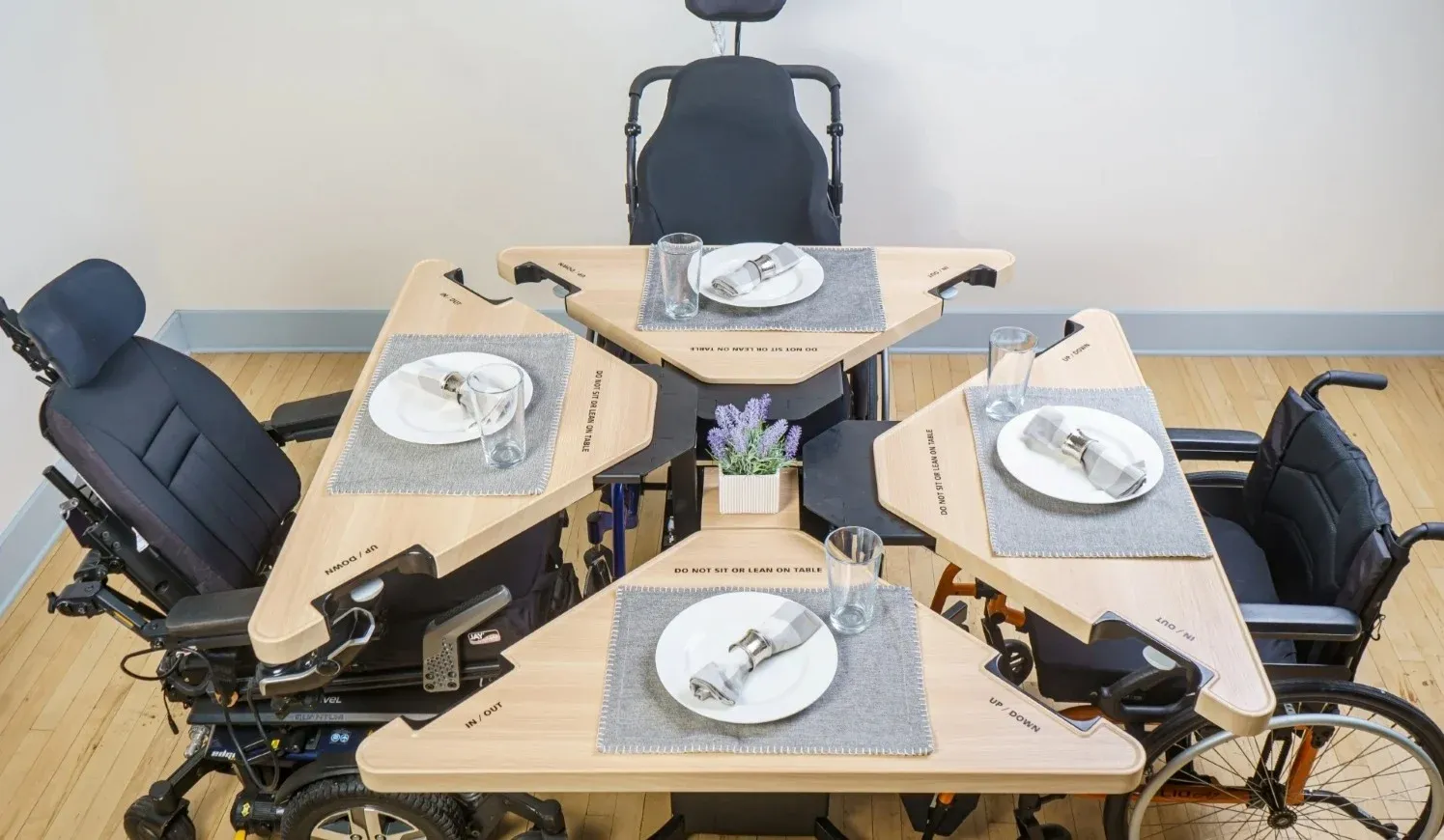
By prioritizing a durable, inclusive solution from the very beginning, you make sure that your space is prepared for whoever enters it. This approach regards accessibility as a permanent standard rather than a temporary solution.
4. Boosts Mental Well-Being
Those with disabilities face physical barriers often, which can lead to psychological ones. When a person is constantly reminded that a space wasn’t built for them, it can lead to design-induced anxiety. When a space allows everyone to exist effortlessly, it sends a message that they are welcome. Being able to engage in social interactions and activities without feeling like a burden is essential to one’s emotional well-being.
Those with disabilities don’t have the luxury of showing up to a place knowing that they will be accommodated. They often have to scout out locations beforehand or worry about seating arrangements before they even get to a social activity. Universal design eliminates these barriers so those with disabilities can have peace of mind knowing they will be accommodated wherever they go. By removing the stress of making do with poor design, we support a person’s mental well-being and allow them to participate fully with confidence and dignity.
5. Unmatched Versatility
When a space is designed for one type of person, it more often than not becomes useless for anyone who falls outside of that narrow range. However, through universal design, you can create an environment that is inherently flexible. This versatility guarantees that a single space can meet the needs of everyone without the need for additional equipment or furniture. A versatile space is one where a toddler, a standing adult, and a person using a power wheelchair can all gather comfortably. This is the hallmark of universal design, it serves everyone. By investing in inclusive furniture, you are choosing a design that is welcoming to all.
Contact Us
The Inclusion Table allows those of varying disabilities to be included at the table, without being an afterthought. Its versatility enables those with disabilities to be independent and free from the anxiety that comes from wondering if a space will be accommodating to them. Contact us today to make your space inclusive.