Table of Contents
The Americans with Disabilities Act was put into law in 1990, though it was a landmark victory for those with disabilities, a lot has changed since then. Even with the development of new wheelchair technology, our furniture has stayed frozen in time. For users of modern power chairs, ADA-compliant isn’t always synonymous with accessibility. Here are five reasons standard ADA tables should evolve to meet the needs of the modern power chair user.
1. Update Outdated Standards
The ADA requires that tables have a minimum knee clearance of 27 inches. This is generally a good measurement for typical wheelchairs. However, modern power chairs often have high-mounted joysticks, controls, and swing-away controllers that can sit up to 30 inches from the ground. This would make it difficult for a modern power chair user to be able to fully pull up to an ADA-compliant table.
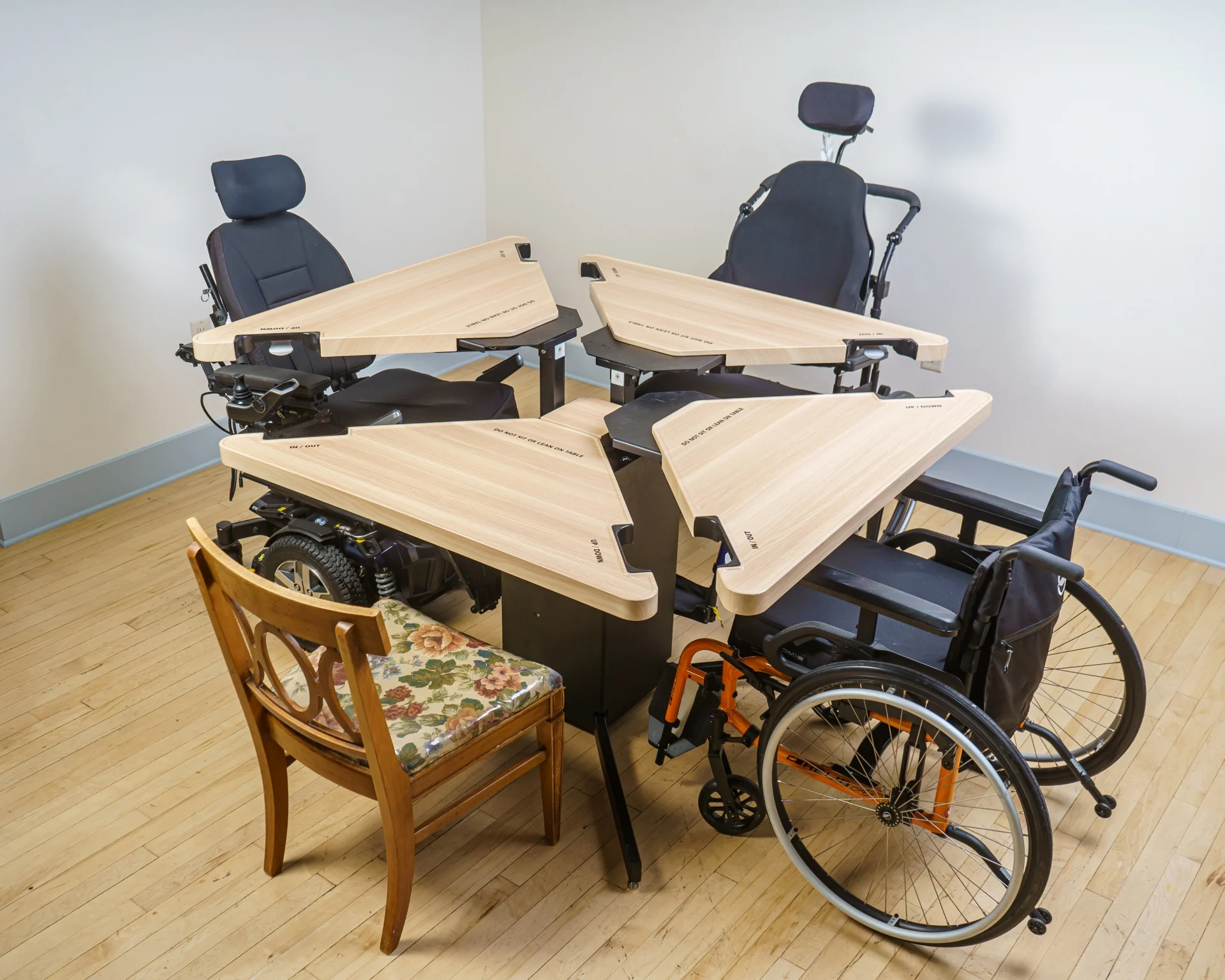
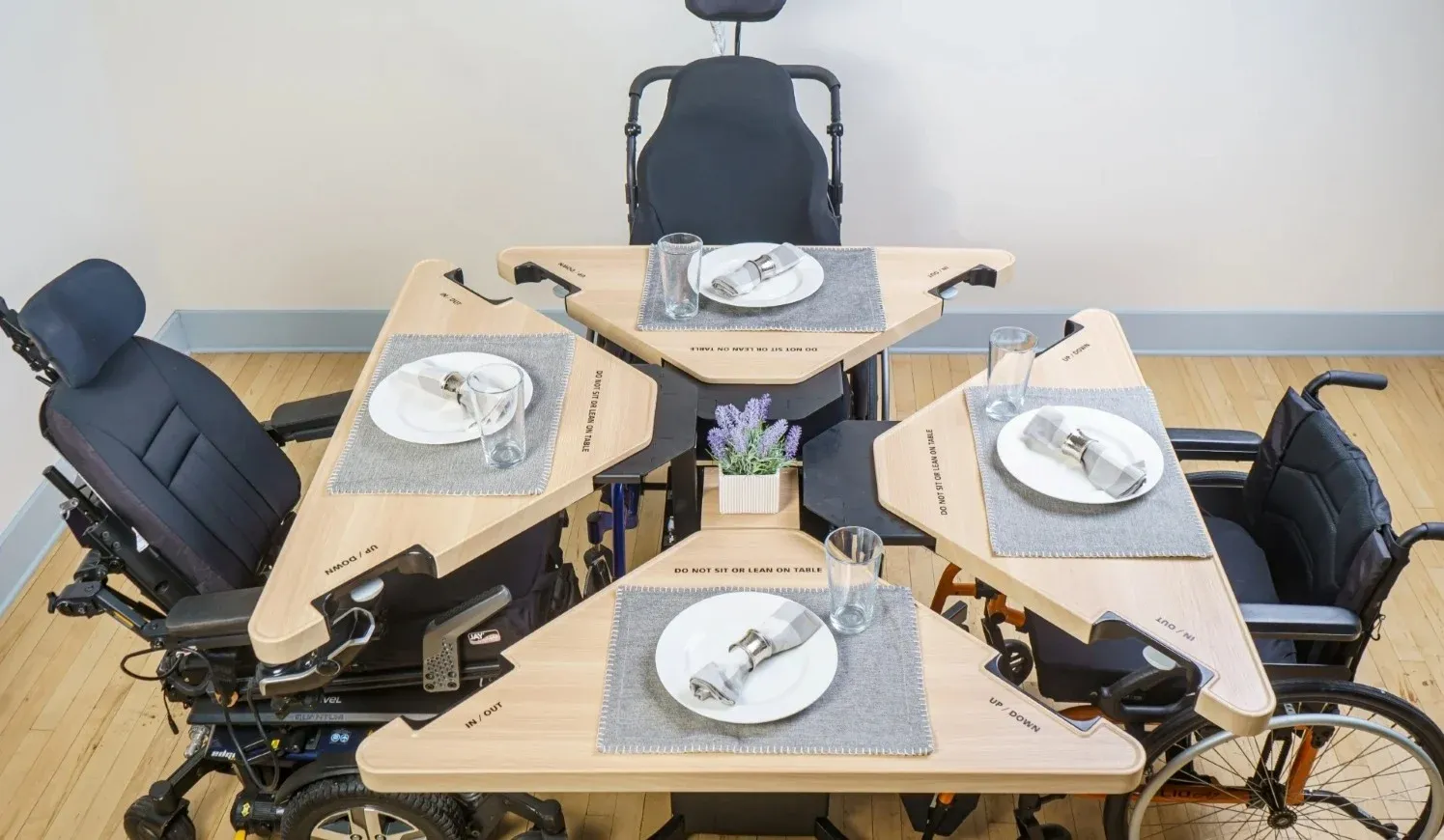
The Inclusion Table goes beyond the ADA compliance requirements, with a table capable of adjusting to 36 inches. The extra height the Inclusion Table provides means that modern power chair users can avoid bumping their high-mounted joysticks and other controls, and be able to fully fit under the table.
2. Remove Structural Barriers
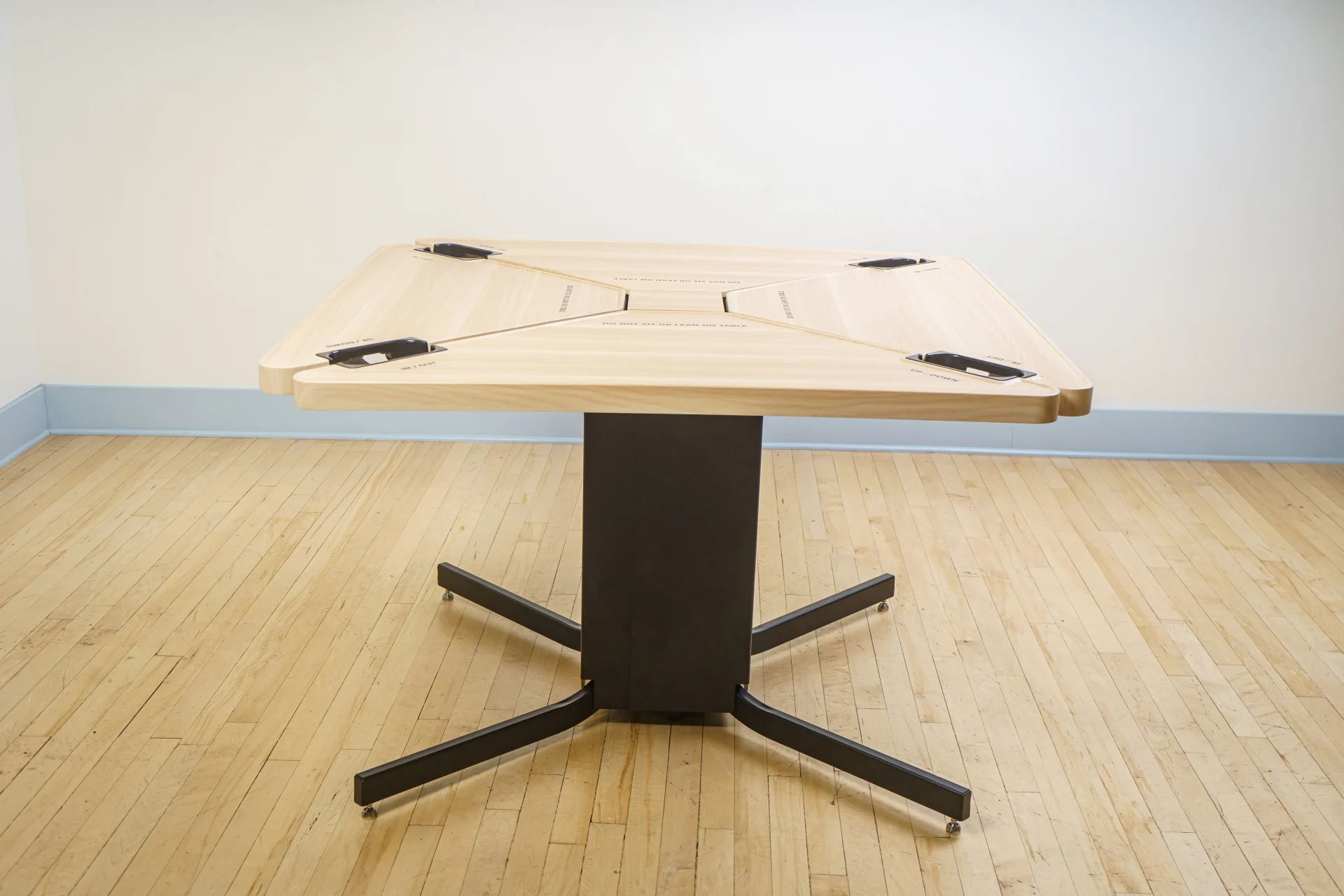
Most tables often rely on a center pedestal or t-shaped legs. While these tables are typically accessible for manual wheelchair users, they create an issue for power chairs. Because modern power chairs are heavier and wider than your typical wheelchair, they require a clear floor zone to maneuver. These table barriers force a modern power chair user to sit at a distance from the table. This causes them to reach a point that can ruin their postural stability over time.
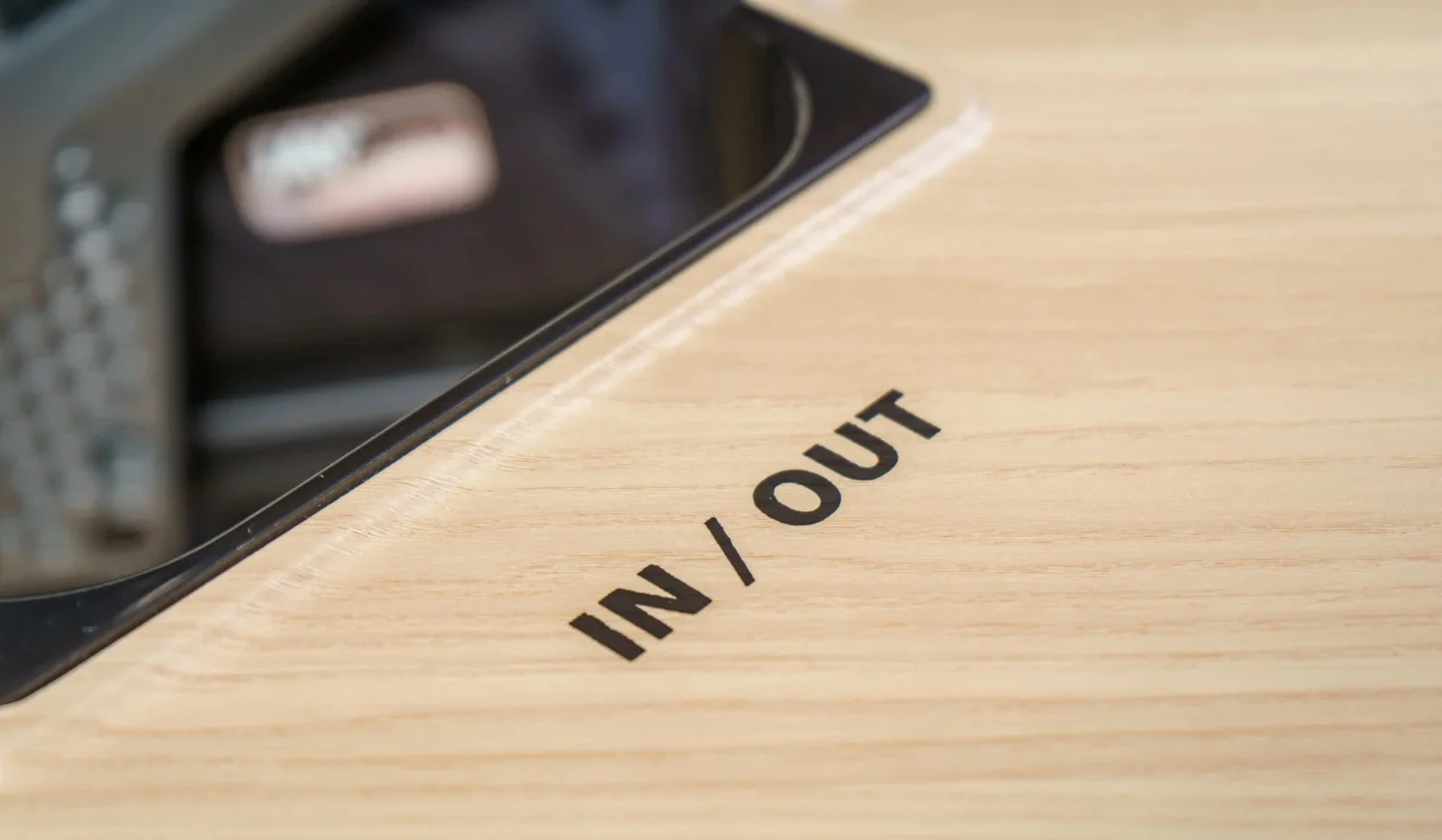
To truly evolve, furniture with an open, smooth undersurface and wide-set, adjustable feet is ideal. The Inclusion Table removes those typical structural barriers by providing 27 inches of total leg room. The table even includes an in-and-out adjustment that allows the tabletop to move towards the user up to 8.5 inches. These features ensure that even if a larger power chair frame can’t move further forward, the table can come to the user.
3. Amend the Height Barrier
One of the most significant developments in modern power chairs is their ability to move up and down. This technology can allow modern power chair users to rise to eye level, allowing them to engage in conversation or reach high surfaces without assistance. However, this helpful innovation is often offset by standard furniture.
This leads to the user having to decide between a face-to-face connection and the ability to reach the table. The Inclusion Table eliminates this barrier by adjusting up to 36 inches, assuring that the table height can adapt to the modern power chair users’ chosen position.
4. Consider the Health Hazards
Beyond just the frustration that standard-height tables pose to modern power chair users, they also present genuine risks to a user’s physical health. When a table doesn’t account for the bulk or height of a modern power chair, the user is physically blocked from getting close to the table. To compensate for this gap, users are forced to slump or lean foward our of the supportive seating their chair provides just to eat or work.
Though this may seem like a small inconvenience, it can cause more than just temporary discomfort for modern power chair users. When a user slumps forward, it creates a shear, where the skin stays pressed against the seat while the bone and muscle go forward. This is the leading cause of deep tissue injuries and pressure ulcers. In addition to this, chronic slumping compresses the abdominal cavity, leading to poor digestion and respiratory distress. With the Inclusion Table’s wide range of adjustment, from up and down 29 to 36 inches and in and out 8.5 inches, the table adapts to the user. This helps modern power chair users to maintain a neutral spinal position, protecting their overall health and well-being.
The Bottom Line
At the end of the day, meeting ADA standards is the floor, not the ceiling. As wheelchair technology continues to advance, the furniture in our homes and facilities must actively support the person using it. Choosing a solution like the Inclusion Table means choosing to eliminate the many barriers modern power chair users face when trying to sit at the table.
Whether you are a facility director looking for an all-inclusive solution or a family trying to make mealtimes easier, the goal is the same. To provide a space where the furniture adapts to the person, not the other way around. Don’t settle for the bare minimum and invest in inclusive technology like the Inclusion Table. Contact us today if you have questions or want to learn more.