Table of Contents
People often view accessibility as a matter of convenience — an added feature that makes spaces, services, and experiences easier to navigate. But this framing misses the point. Accessibility is not about convenience but about dignity. It ensures every person, regardless of ability, is treated with respect, maintains independence, and has equal opportunity.
The Emotional Impact of Inaccessibility
Barriers not only impact individuals physically but also emotionally. Repeated experiences of exclusion can cause those with disabilities to feel frustrated and anxious. It may even cause them to avoid certain places or activities.
Consider how it may feel to have to ask for help every time you enter a building, be unable to access important information online, or be perceived as an inconvenience in public spaces.
Over time, these moments can erode confidence, dignity, and independence. Accessibility helps remove obstacles, as well as the emotional weight that comes with them.
Accessibility Is a Human Right
At its core, accessibility is about inclusion. Those with disabilities don’t want special treatment but equal access to the same environments, opportunities, and experiences that others often take for granted. Whether it’s entering a building, using a website, or participating in a community event, accessibility ensures no one feels excluded because of a physical, sensory, or cognitive difference.
When a property, website, or event lacks accessibility, some individuals may feel (whether intentionally or not) like an afterthought or like their presence wasn’t anticipated or prioritized. This can make them feel isolated and dehumanized. Designating with accessibility in mind from the start affirms that everyone belongs.
Independence Matters
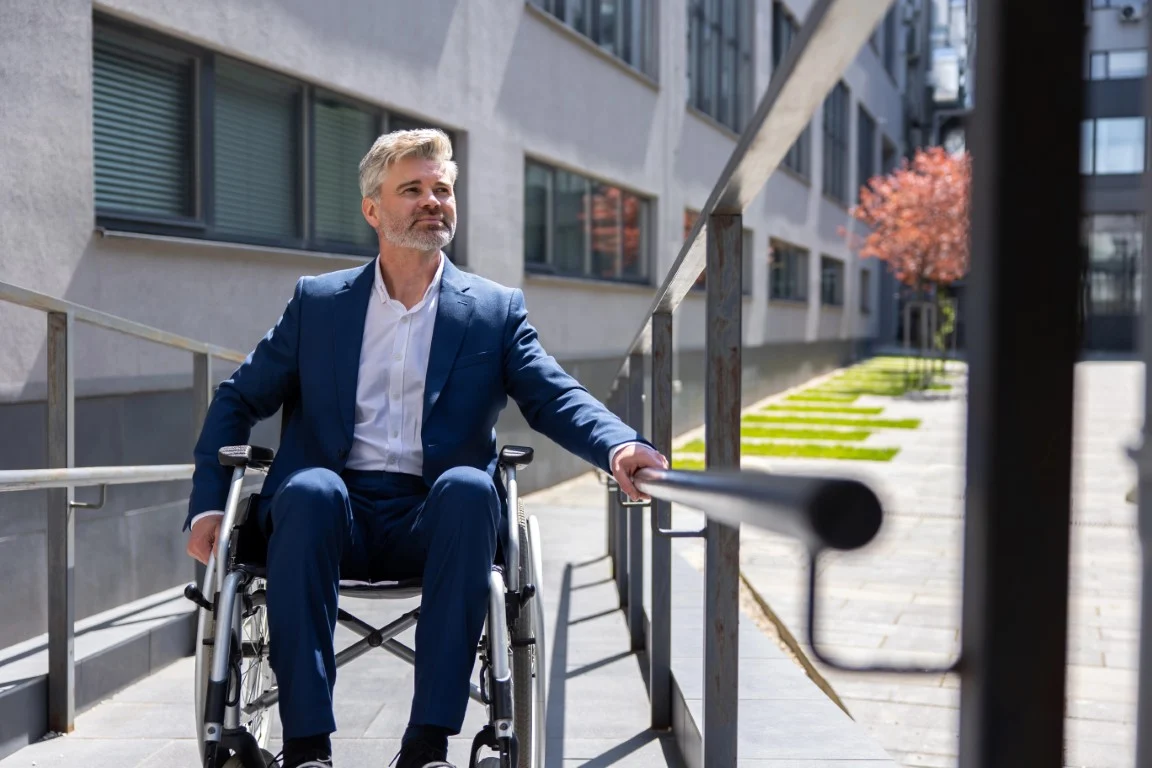
Many people overlook the role accessibility plays in preserving independence. Features like ramps, automatic doors, closed captioning, and clear signage aren’t luxuries but tools that allow people to navigate the world without relying on others.
Independence is deeply tied to dignity. Having to constantly ask for help to perform basic tasks can make people feel frustrated, ashamed, or even humiliated. Accessible design removes unnecessary barriers, empowering individuals to move through their day with confidence and autonomy.
It Benefits More People Than You Think
While accessibility is essential for people with disabilities, it benefits more than just this group. Parents pushing strollers, travelers with luggage, older adults, and even someone recovering from a temporary injury all benefit from accessible environments.
This is often referred to as “universal design” — creating spaces and systems that work for as many people as possible. When accessibility is prioritized, everyone gains. However, this broader benefit doesn’t make accessibility a convenience but reinforces why it should be standard, not an exception.
Dignity Is in the Details
True accessibility means going beyond meeting minimum requirements. A true inclusive space considers real human experiences, not just complies with regulations.
For example:
- A poorly placed ramp may technically provide access, but may make someone feel unsafe or stigmatized.
- A website with tiny fonts and unclear navigation may exclude users with visual impairments.
- A lack of seating in public spaces can make outings exhausting for those with mobility challenges.
Small details can have a big impact on how welcome and respected someone feels. Accessibility should be seamless, intuitive, and respectful.
Changing the Mindset
To truly embrace accessibility, there needs to be a shift in perspective. Instead of wondering whether something is needed, ask who might be left out without it.
When people view accessibility through the lens of dignity, they start to see it as a responsibility rather than an optional upgrade. It encourages proactive thinking, empathy, and a commitment to equity.
What Makes a Space Accessible?
For a space to be ADA-compliant, it should have these key elements:
Mobility and Access — Buildings should have ramps, elevators, automatic door openers, and 32-inch wide doorways for wheelchairs.
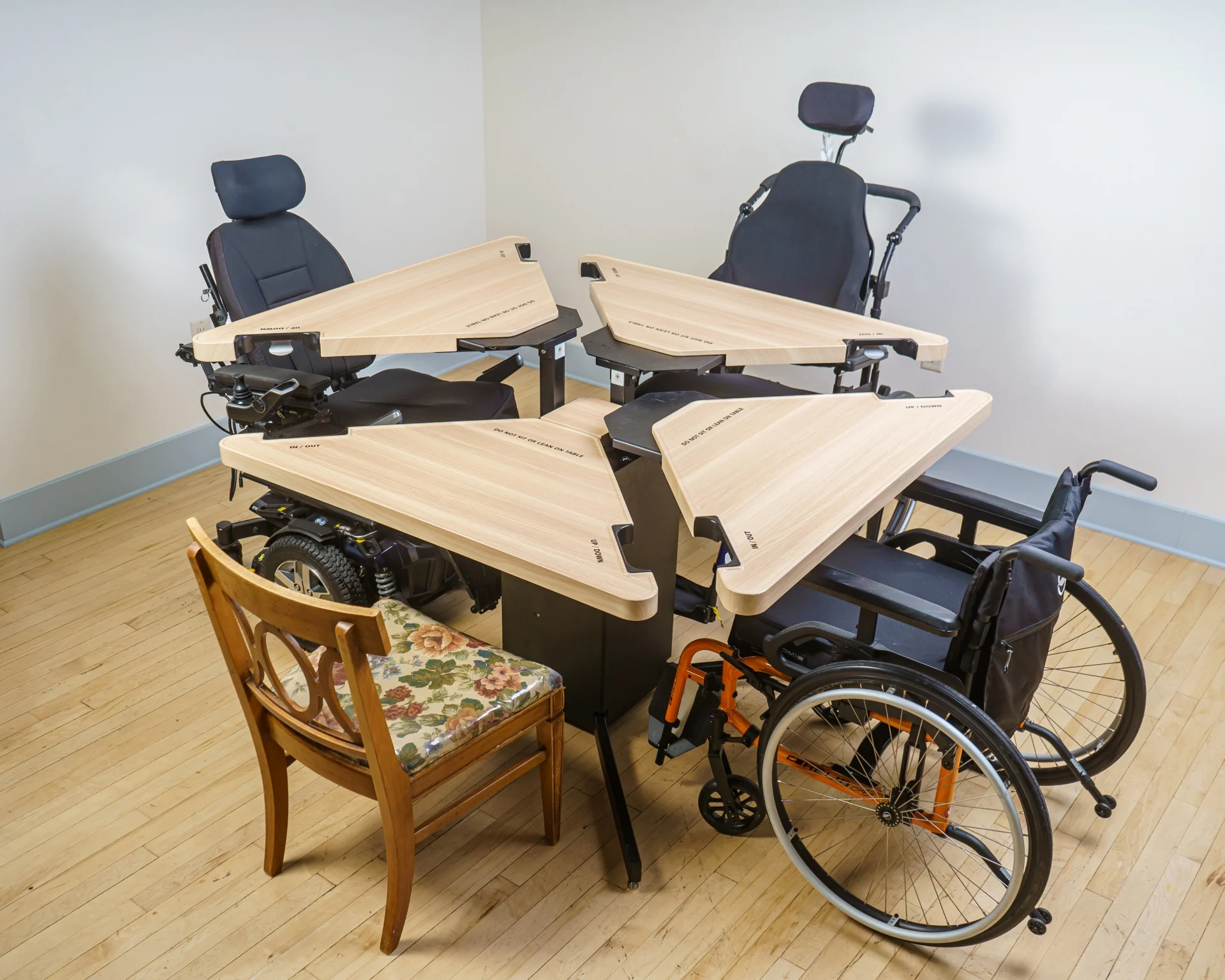
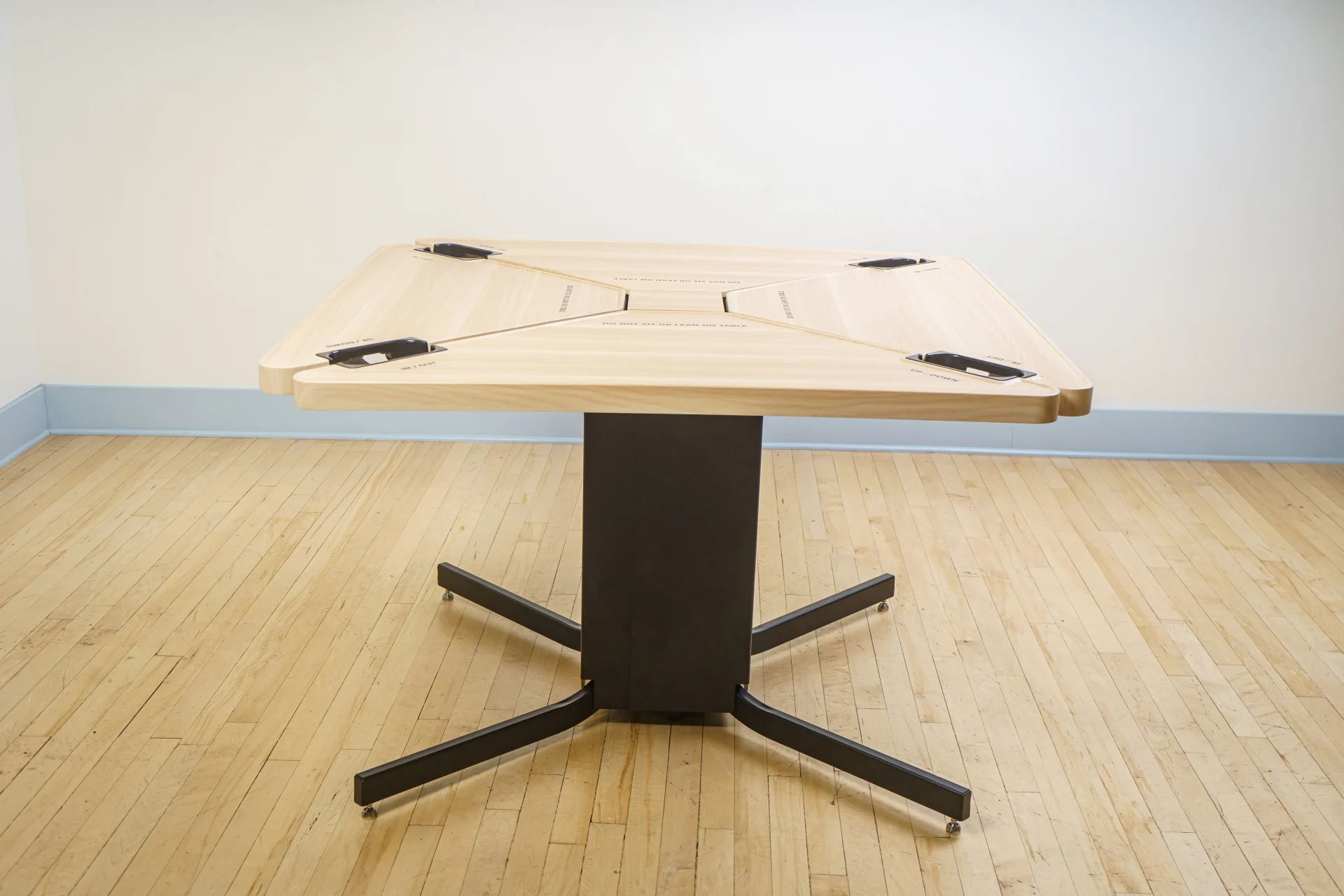
Height Considerations — Counters, tables, and service areas should include accessible heights, so wheelchairs can comfortably reach surfaces.
Signage and Navigation — Properties should have clear, barrier-inclusive signage and well-lit, non-slippery pathways.
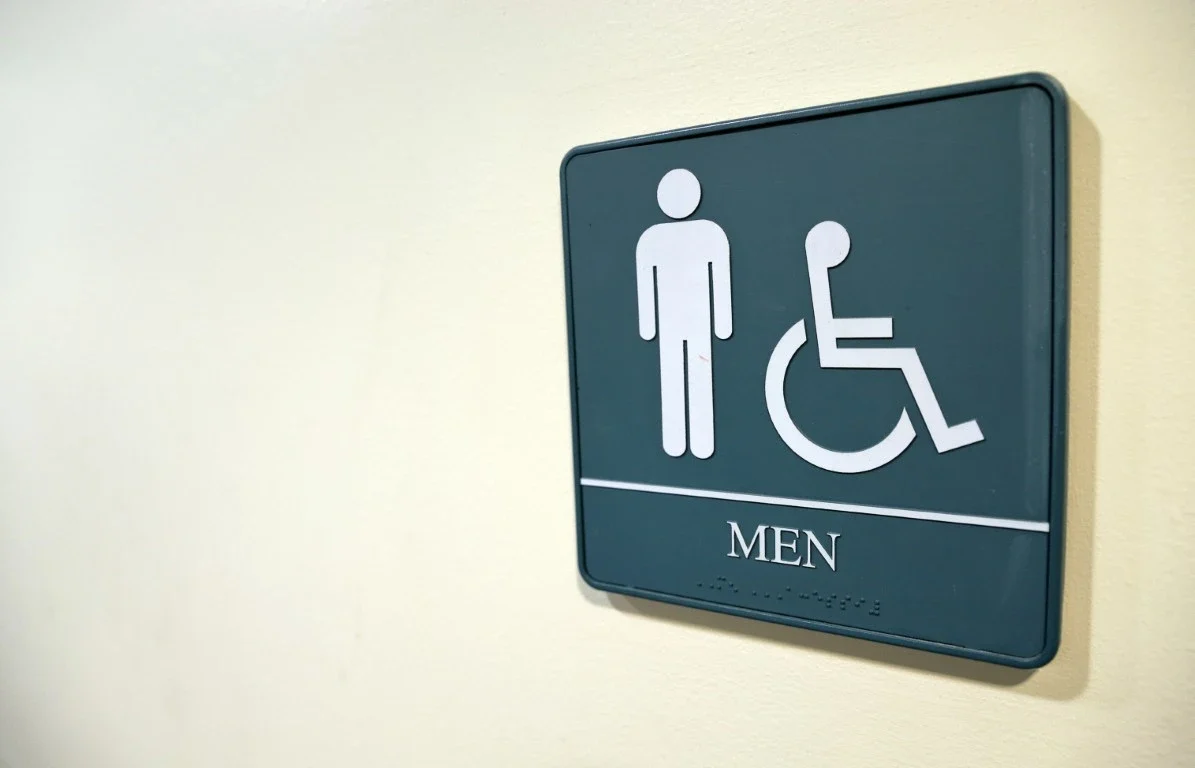
Convenience and Safety — Properties should have accessible restrooms with handrails and audible and visual emergency alarms.
Digital Integration — Businesses should have accessibility information and digital navigation tools on their website.
Sensory Accommodations — To make a space truly inclusive, business owners should incorporate soft lighting, reduce noise levels, and have dedicated quiet, sensory-friendly rooms (if possible).
Accessibility: More than a Requirement
Accessibility is not an extra feature or a favor but a fundamental part of creating inclusive environments and communities. It ensures that everyone has the opportunity to participate fully and live with independence and respect.
When people design with accessibility in mind, they help remove barriers and reaffirm the value and dignity of every individual. And that’s something that should never feel optional.